
Real Estate
There is a distinct afternoon in late November when the light across Southern California undergoes an unmistakable calibration. The relentless, high white glare of summer yields to an amber rake that hangs low over the horizon, casting impossibly long silhouettes across the arroyos of Pasadena and softening the ridgelines of the Hollywood Hills. The city, so often defined by its kinetic motion and urgent pace, inhales deeply. A quiet settles into the streets.
In the traditional lexicon of property transactions, this stretch between Thanksgiving and the turn of the calendar is routinely written off as an intermission. Sellers are often counseled to hold back, advised that serious commerce pauses until the flowers bloom in March. Conventional wisdom insists that real estate thrives on volume, noise, and velocity.
Yet for those who view a home not as a transactional commodity but as a foundational sanctuary, this lull is precisely when clarity emerges. When the ambient noise recedes, intention takes its place. What appears to the untrained eye as a dormant market is, in truth, an unhurried landscape where the most considered decisions of the year are quietly made.
The Calmer Rhythm of Late Autumn
Much of modern property acquisition resembles an audition conducted under duress. During the frenzied peaks of the spring market, open houses often take on the frenetic energy of gallery openings where everyone is looking at everyone else rather than observing the art. Offers are demanded before the scent of fresh paint has dissipated. Buyers calculate not what a home means to their daily peace, but what compromise they must tolerate to outmaneuver a rival.
Late autumn dissolves that theatrical tension. As the calendar turns inward toward gatherings, family, and home life, the casual voyeurs naturally step aside. The crowd thins to those who are acting with genuine conviction.
To navigate a neighborhood like Los Feliz or the winding roads of Bel Air in mid-December is to experience these enclaves in their truest cadence. The street parking is accessible. The afternoon shadows fall in their natural winter geometries. One can linger on a terrace without an encroaching tour waiting on the threshold. This temporal gift changes everything about how a structure is perceived.
Scarcity as a Filter for Intention
The reduction in overall inventory during the year-end weeks is widely regarded as a limitation. In practice, it operates as an elegant filter. The remaining homes on the market during this period rarely exist there by happenstance; their sellers have chosen to remain present with deliberate purpose. Likewise, the individuals crossing the threshold are not passing a leisurely Sunday afternoon between errands.
When both parties come to the table stripped of posturing, conversations become substantive. Urgency gives way to resonance.
A buyer exploring a home in December is asking different questions. Rather than wondering how many bids might materialize by Tuesday, they find themselves considering how the morning sun strikes the kitchen table on a cold weekday, or how the acoustics of the living room hold conversation on a rain-swept evening. The transaction slows to the speed of life itself.
The Space to Truly Listen to a House
Every home has an ambient voice that can only be discerned when the background hum of the city falls silent. In the heat of summer, air conditioning units drone, windows remain sealed against the haze, and gardens are pushed into lush, artificial performance. Winter reveals the bones.
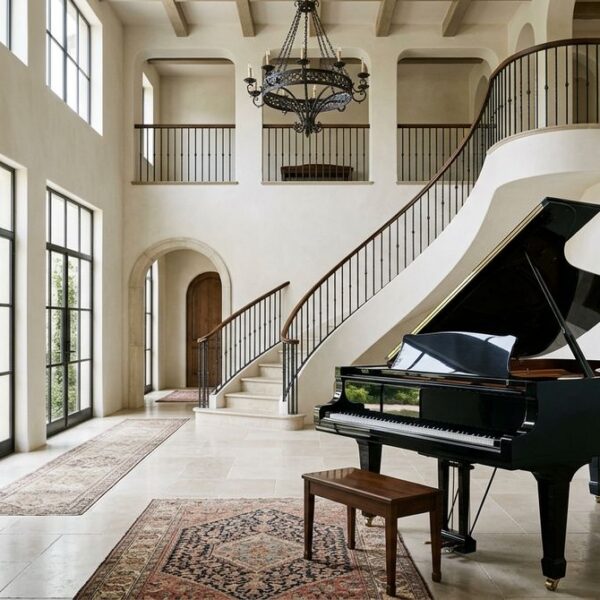
In the quiet weeks, a home presents its unvarnished architecture. You notice the integrity of the joinery, the draft or stillness around custom casements, and the tactile warmth of honed stone beneath bare hands. You observe how a space captures residual warmth, and how the rooms flow into one another when daily life is lived predominantly indoors.
Luxury is increasingly defined by this capacity for observation. It is impossible to form a genuine emotional connection to an environment when checking an internal stopwatch. The year-end market grants permission to return twice, three times, at different hours, to sit in an empty courtyard and simply see how the space feels.
Sellers Who Understand Value Over Urgency
For sellers, presenting a property during late autumn requires a quiet confidence. It means relinquishing the spectacle of a bidding war in favor of finding the singular steward who recognizes the specific value of what has been built.
There is a profound advantage in this alignment. Houses that stand out in December do not need to shout. Surrounded by fewer competing properties on the market, an exceptional piece of architecture commands undivided attention. It becomes a focus of contemplation rather than one tab among twenty open on a screen.
Furthermore, transactions concluded in this window tend to proceed with exceptional grace. Escrow officers, lenders, and appraisers are working through manageable caseloads rather than peak-season backlogs. The logistical machinery of moving ownership from one hand to another functions with a smooth, personal attentiveness that is virtually absent during the spring surge.
The Architecture of Winter Light in Southern California
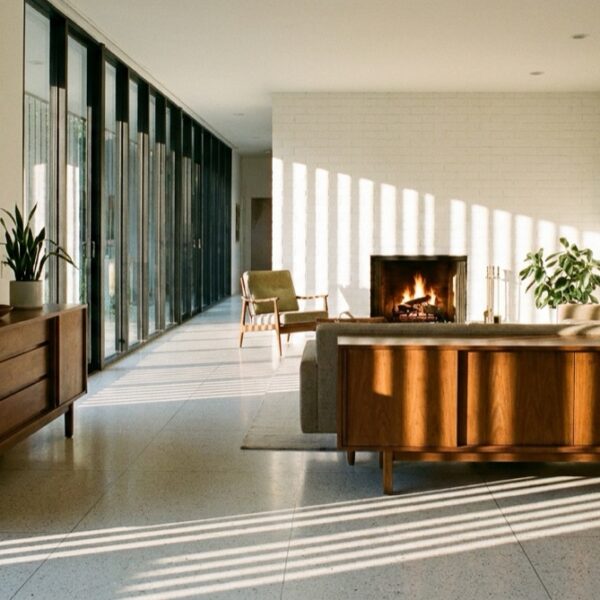
Light is the defining building material of Los Angeles architecture. From the mid-century glass pavilions of the canyons to modern courtyards shaped in concrete and plaster, our living spaces are instruments designed to capture and modulate natural illumination.
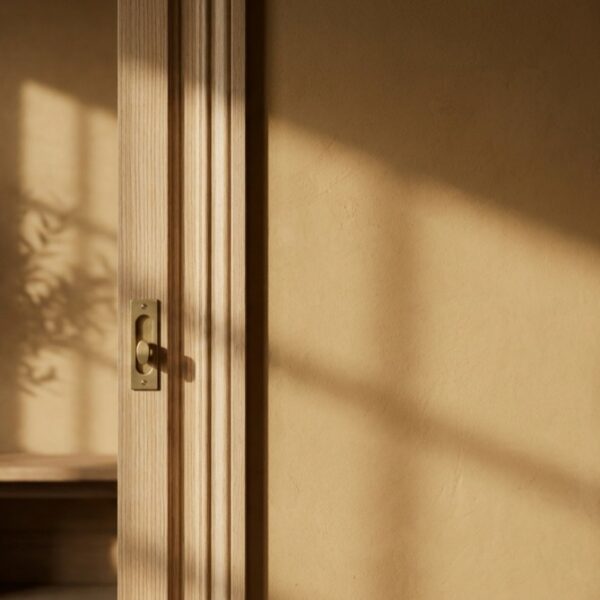
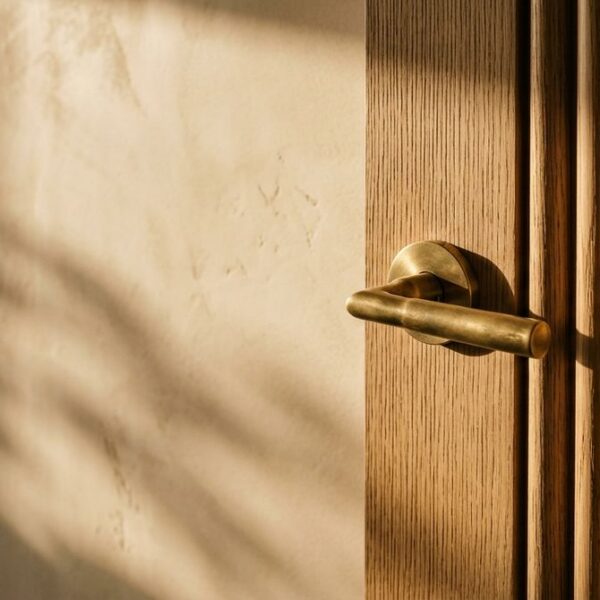
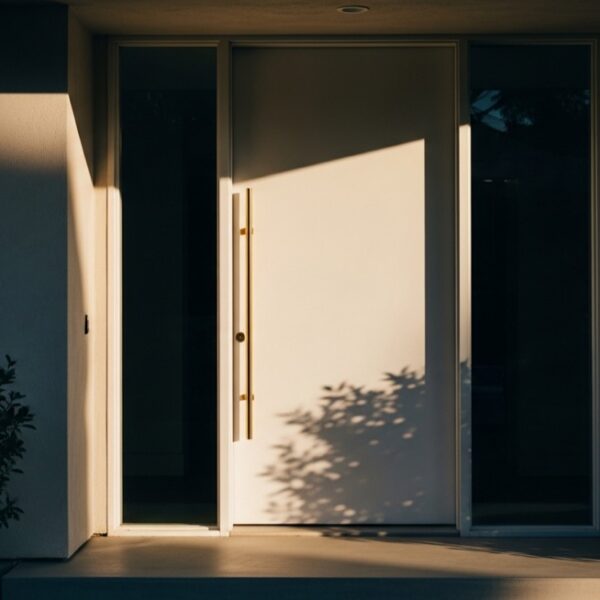
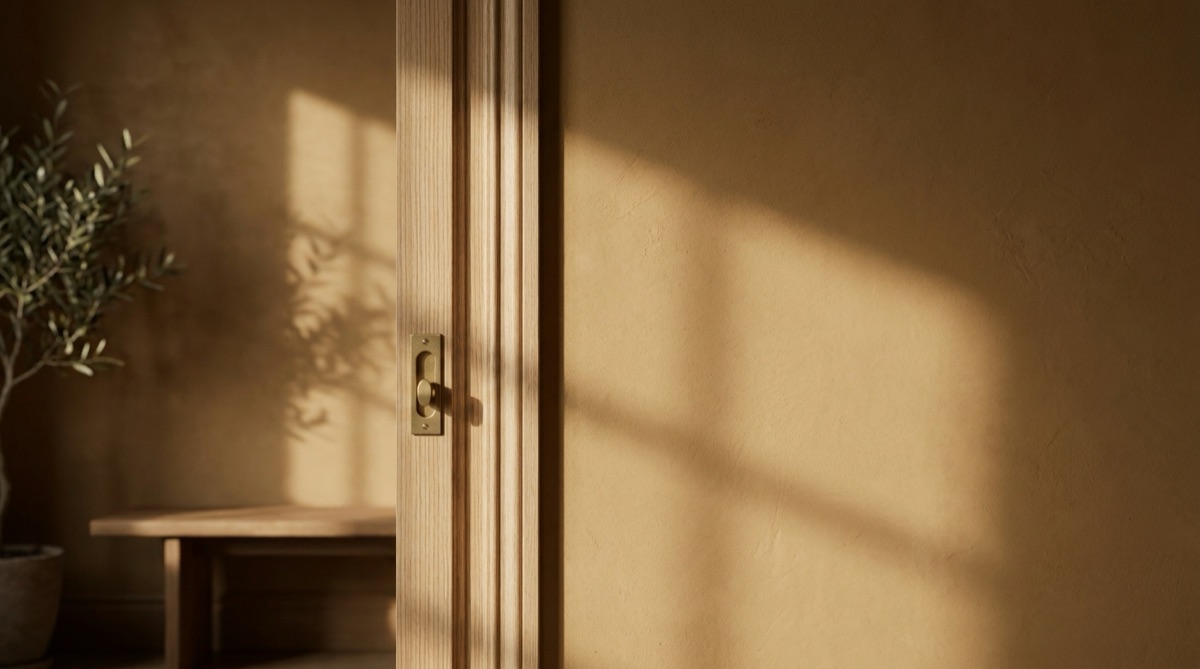
Between November and January, the sun sits lower in the sky, illuminating depths of a home that remain in cool shadow during June. Light travels deeper into hallways, bounces off micro-cement floors, and reveals the texture of linen, plaster, and timber.
Observing a home under this specific winter exposure offers invaluable truth. A space that feels warm, restorative, and luminous on the shortest days of the year will effortlessly sustain you through the longest. To buy a property after witnessing it thrive in the pale light of December is to buy it with absolute confidence in its soul.
Negotiation Without the Noise
In high-pressure seasons, negotiations frequently devolve into games of psychological brinkmanship. Late autumn encourages an atmosphere of civilized dialogue. Because the stakes are felt rather than performed, conversations tend toward pragmatic harmony.
Terms can be tailored to the nuance of human transitions. Sellers may seek a prolonged post-closing occupancy to conclude the school semester, or buyers may wish to structure a closing to coincide with year-end financial alignments. The flexibility that emerges when neither party feels the hot breath of a dozen competing contingencies is palpable.
Value, in this context, is measured correctly. It encompasses not just price per square foot, but the mutual respect of terms, the preservation of peace of mind, and the seamless handover of a domestic legacy.
Stepping Beyond the Seasonal Script
Real estate culture often behaves as though life happens in rigid quarters, yet personal evolution does not follow an arbitrary calendar. Life shifts when it shifts: a new artistic chapter, a realization that one’s current walls no longer offer sanctuary, or the quiet desire for a simpler, more grounded existence.
At The Durkovic Group, our philosophy has always held that true luxury is not dictated by market seasons, but by the resonance between a space and the person who inhabits it. Curating an elevated life requires resisting the temptation to run with the herd, recognizing instead that the most enduring decisions are made in moments of pause.
As the winter sun lowers once more over the canyons, casting long, peaceful shadows through quiet rooms, the wisdom of the slower path becomes evident. When the city pauses, listen closely. It is in these unhurried moments that a house quietly becomes home.