
Lifestyle
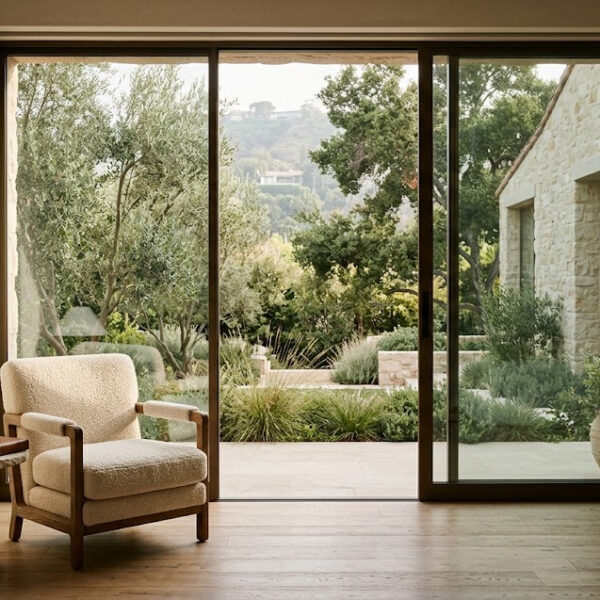
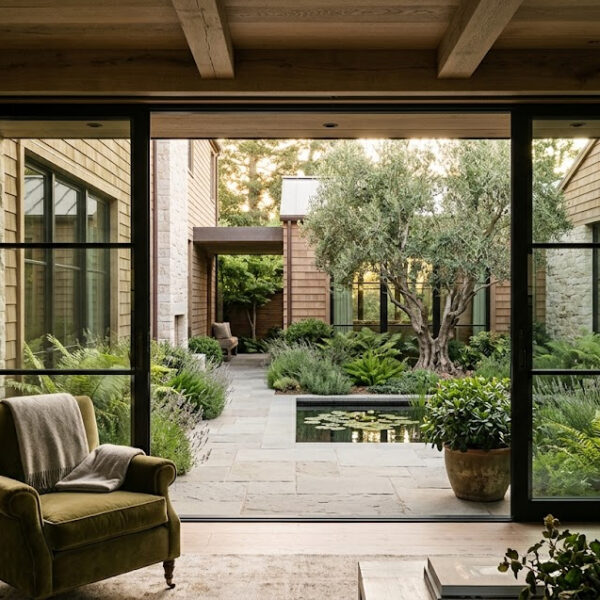
For months, the domestic center of gravity sits outdoors. The long arc of an afternoon stretches toward eight o’clock, dissolving the threshold between the interior and the terrace. Dinner happens along the edge of the courtyard, conversations linger beside the garden, and glass pocket doors remain open to the salt-tinged breeze moving up from the coast. In Southern California, the horizon is treated as an extension of the living room floor.
Then, almost overnight, the dusk accelerates. The sun dips beneath the ridgeline of the Hollywood Hills just after five, washing the stucco and eucalyptus in a fleeting copper wash before surrendering to the dark. The drop in temperature is subtle, but the psychological shift is total. The sprawling, porous way we occupied the house during the warm months suddenly feels thin. Without the sun acting as an anchor outside, the rooms we actually inhabit change.
What takes place in early November is a quiet migration. We withdraw from the perimeter and retreat into the core of the house. Spaces designed for expansion give way to spaces engineered for containment. It is an annual transition that asks something different of our homes: not how transparent they can be, but how well they can hold us.
The Abrupt Shift of the Western Horizon
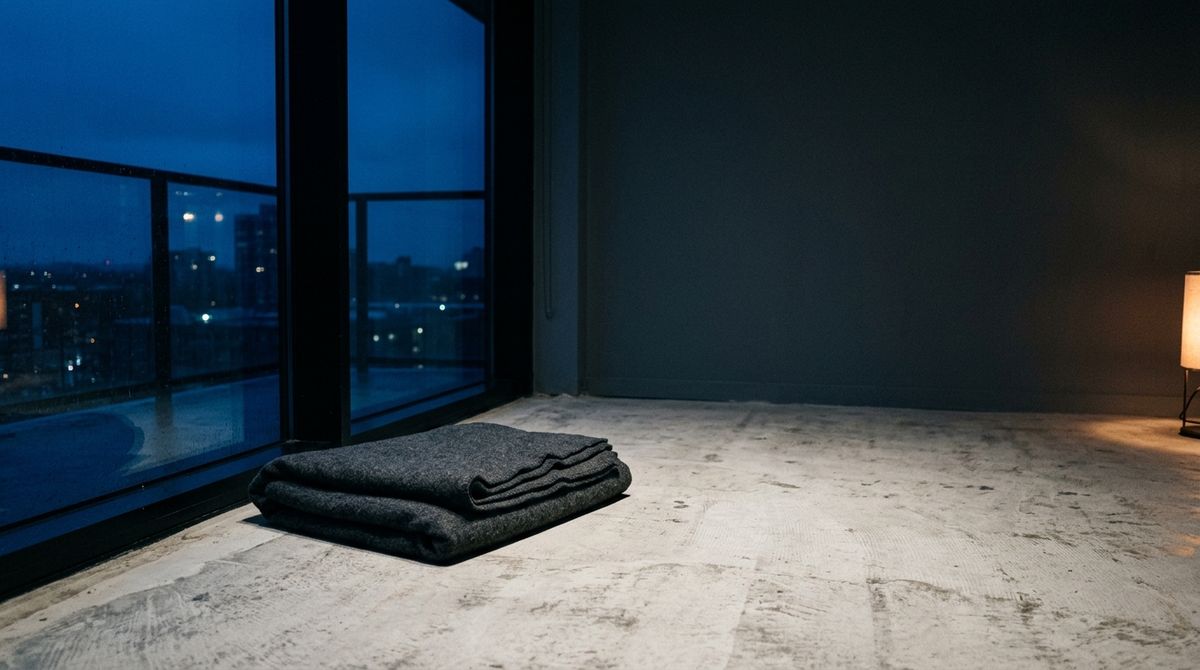
In Los Angeles, seasonal change does not arrive through deciduous trees stripping bare or morning frost silvering the lawns. It arrives through light and shadow. When the evening collapses inward an hour earlier, our relationship to the exterior world recalibrates. The sweeping view, celebrated all spring and summer as the primary architectural asset, becomes a black mirror by dinner time.
When the view recedes, the emotional weight of a home transfers to the surfaces immediately at hand. The high-ceilinged, open-concept pavilion that felt intoxicating at midday can suddenly feel cavernous and exposed under artificial light. As the outdoor landscape turns dark, the eye stops searching for the horizon and begins searching for edges, warmth, and boundaries.
This shift exposes an essential truth about modern living: openness is magnificent for vitality, but containment is necessary for rest. The earlier descent of evening forces an intentional return to the spaces that offer acoustic stillness and emotional enclosure.
The Contraction of Domestic Geography
Observe where people actually sit in a home between November and February. The outdoor lounge, once the default evening station, becomes an ambient tableau viewed through glass. The formal great room, designed to host gatherings of thirty, stands idle while occupants gravitate toward tighter, more protective corners.
We migrate toward the low-slung sofa tucked beneath a library wall. We sit at the kitchen island not just to prepare a meal, but to be near the physical warmth of the cooktop. We discover that the smallest room in the house—a wood-paneled study or a secondary den—suddenly possesses the most magnetic pull. The scale of where we feel comfortable shrinks in direct proportion to the length of the night.
This is not a loss of territory; it is an elevation of intimacy. A considered home allows for this contraction. It understands that human beings are not meant to live in an unbroken expanse of glass and concrete twelve months a year. We crave the seasonal ebb, the instinctive rhythm of coming in from the wide world to inhabit a smaller, more grounding radius.
Tactility Over Transparency
Summer design is defined by breathability. We look for sheer linen, cool poured concrete underfoot, unadorned surfaces, and seamless sightlines. When the evenings shorten, these same qualities can feel sterile. The sensory palette must shift from visual transparency to physical tactility.
Texture becomes the primary mechanism of comfort. The eye, deprived of the exterior garden, seeks interest in the grain of rift-sawn oak, the uneven glaze of zellige tile, and the heavy drape of wool upholstery. Rooms that felt complete in June often require an editorial layering by November—not to accumulate clutter, but to absorb sound and soften the visual temperature.
This is where design becomes restorative rather than merely decorative. A bouclé lounge chair or a hand-knotted wool rug does more than furnish a corner; it deadens echoes, absorbs the chill radiating off large architectural glass, and signals to the nervous system that the work of the day is done.
Rethinking the Geometry of Evening Light
Nothing reveals the shortcomings of an interior lighting plan quite like autumn dusk. When daytime washes through clerestory windows, lighting is largely invisible. But when darkness arrives at five-thirty, the placement of light defines the emotional temperature of the entire house.
The central ceiling fixture, so common in contemporary developments, becomes an abrasive presence in the early evening. Overhead downlights flatten space, casting sharp shadows and reinforcing a sense of sterile exposure. What the autumn interior demands instead is a lower, peripheral geometry of light.
Considered illumination works from the perimeter inward and from the waist down. A lamp set on a low travertine plinth, an under-shelf wash of amber across a collection of stoneware, a single directional sconce focused on a painting—these pools of light create an archipelago within a room. They draw people together, carving out intimate zones within larger floor plans. The home is no longer one bright, undifferentiated envelope; it becomes a series of warm destinations.
The Return of the Dedicated Room
For decades, architectural orthodoxy demanded the erasure of internal walls. The open-plan configuration promised democracy, flexibility, and light. Yet, as earlier evenings reintroduce the desire for quiet seclusion, many are rediscovering the lost utility of the dedicated room.
In historic neighborhoods from Pasadena to Los Feliz, early twentieth-century architecture understood this cadence implicitly. Craftsman bungalows and Spanish Revival residences were built with intentional cellularity: small sitting parlors, defined dining chambers, and separate library alcoves. These spaces were not designed for spectacle; they were designed for the specific rituals of the evening.
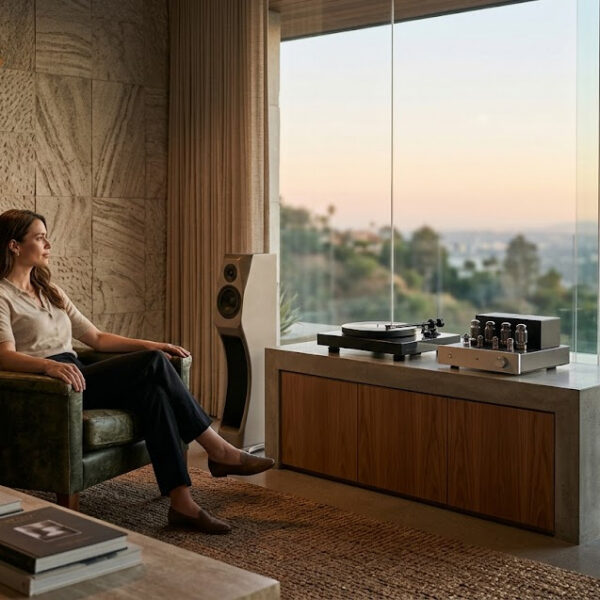
Modern luxury is beginning to look back to these precedents. We are seeing a quiet return to sliding pocket doors, heavy velvet drapery partitions, and purpose-built listening rooms. Even within expansive modern builds in the hills, architects are increasingly designing secondary retreats—dens where the walls are wrapped in dark plaster or rich walnut, spaces explicitly designed to turn their backs on the exterior panorama and celebrate the act of gathering within.
Acoustic Warmth and the Slower Tempo
Light changes with the seasons, but so does sound. In the warmer months, the sonic backdrop of Los Angeles living is porous: the hum of air conditioning units, the echo of conversation carrying over patio pavers, the distant pulse of canyon roads filtering through screen doors.
When the doors slide shut against the autumn evening, the home undergoes an acoustic sealing. The silence inside becomes deeper, more present. The spaces we inhabit must respond to that acoustic change. A room that echoes feels cold, no matter how high the thermostat is set.
The presence of acoustic warmth—heavy textiles, filled bookshelves, soft upholstery—changes the nature of conversation. Voices drop in volume. Music takes on a richer, more immediate clarity. The home ceases to be a viewing platform for the outdoors and becomes an acoustic sanctuary, insulated from the relentless velocity of the city outside.
The Subtle Art of Seasonal Sanctuary
Modern luxury is less about showing off and more about how a space makes you feel. It is found in the intelligence of a home that knows how to adapt to the cadence of the day and the changing tilt of the earth. When an interior can effortlessly pivot from a summer sun-room to a restorative autumn retreat, it becomes an instrument for living well.
At The Durkovic Group, our perspective is shaped by this deeper understanding of place. True luxury is not measured merely in square footage or dramatic elevations; it is found in the emotional resonance of space—how a room supports your rituals, offers belonging, and provides grounding when the outside world recedes.
As the winter solstice approaches, there is no need to mourn the lost hours of coastal sunshine. Instead, there is pleasure in the quiet migration indoors. When the ridgeline dims and the evening light pulls back from the glass, the home reveals its truest purpose: not as a stage for entertaining the world, but as a sanctuary to gather, disconnect, and begin again.