
Introduction: A Quiet Shift in a Fast City
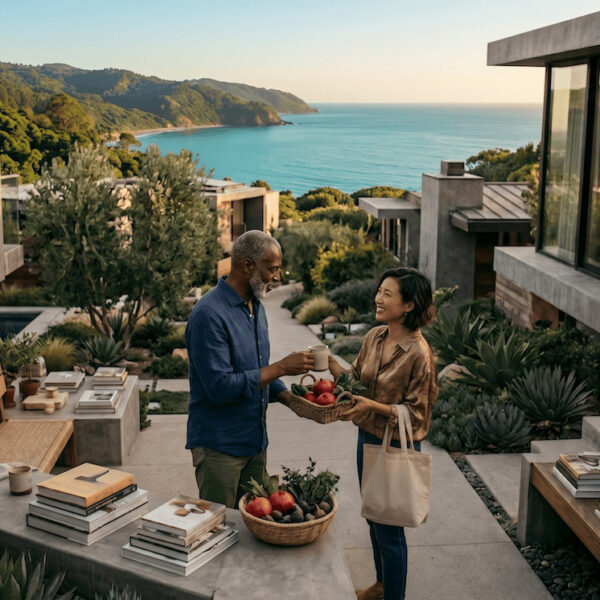
Life in Los Angeles has long been defined by movement. It is a city built on ambition, constant activity, and the idea of always moving forward. But beneath that fast-paced image, something quieter is beginning to take shape. More people are starting to reconsider how they spend their time, how they structure their days, and what actually brings a sense of balance. This shift is not loud or dramatic. It happens gradually, through small decisions that reshape everyday life. Slower living, in this context, is not about stepping away from the city. It is about engaging with it differently.
Redefining What It Means to Be Productive
For a long time, productivity was closely tied to busyness. A full schedule was seen as a sign of progress. Now, that definition is evolving. People are beginning to recognize that constant activity does not always lead to meaningful outcomes. Instead, there is a growing emphasis on:
- Focused work instead of scattered attention
- Clear priorities instead of endless tasks
- Intentional breaks instead of constant pressure
This change affects how people approach their entire day. Productivity becomes less about doing more and more about doing what matters.
The Home as a Center of Daily Life
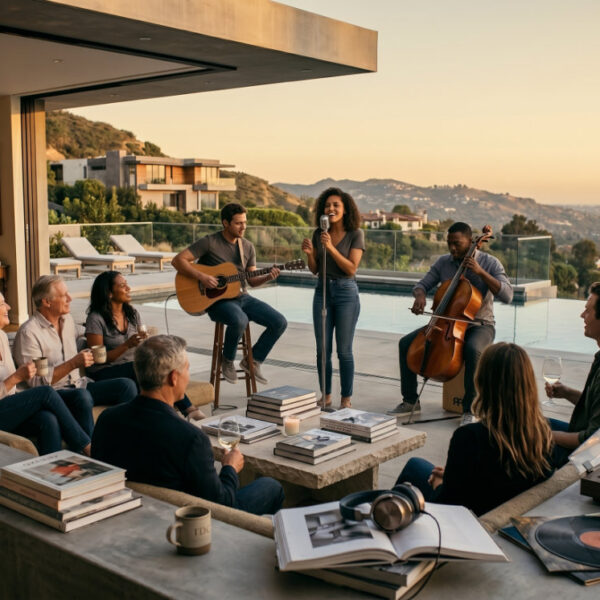
One of the biggest changes driving this lifestyle shift is the role of the home. Homes are no longer just places to return to at the end of a busy day. They have become central spaces where multiple aspects of life come together. Within the same environment, people now:
- Work
- Relax
- Socialize
- Recharge
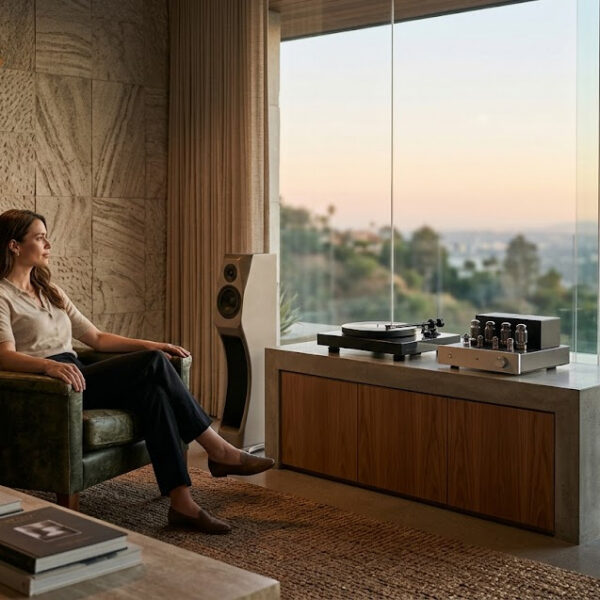
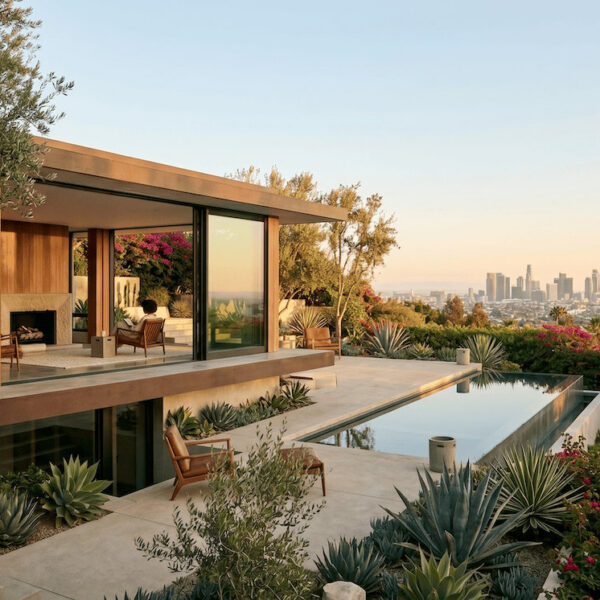
This has created a need for spaces that feel balanced and adaptable. A home must support different states of mind without feeling overwhelming or restrictive.
Designing Spaces That Support Well-Being
Interior design is evolving alongside lifestyle changes. Instead of focusing purely on visual impact, there is a growing emphasis on how a space feels over time. Common design shifts include:
- Softer, neutral color palettes that reduce visual stress
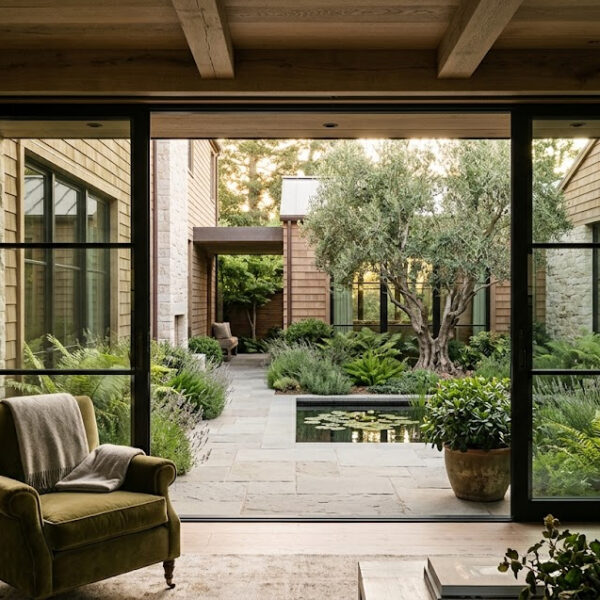
- Natural materials that create warmth and texture
- Minimal layouts that allow space to breathe
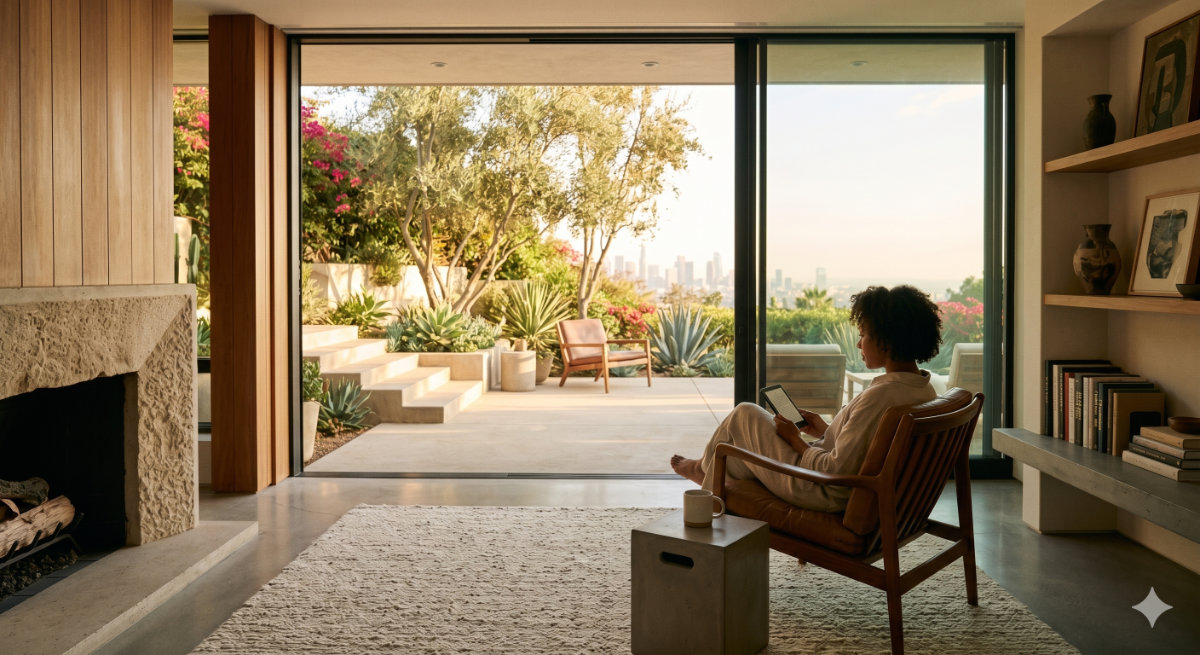
Lighting also plays an important role. Natural light is preferred wherever possible, while artificial lighting is becoming warmer and more subtle. These choices are not just aesthetic. They directly influence mood, focus, and overall comfort.
The Power of Slowing Down Daily Routines
Slower living often shows up in the smallest parts of the day. Simple routines that were once rushed are now being approached with more intention. For example:
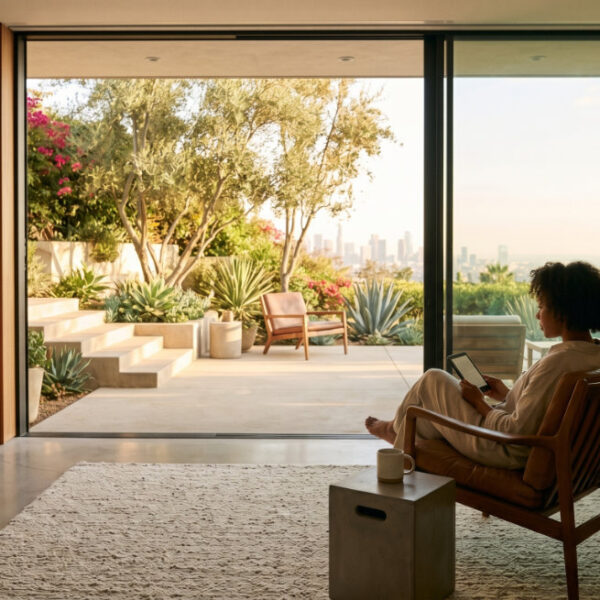
- Morning coffee becomes a quiet moment instead of a quick habit
- Meals are experienced more fully rather than rushed
- Evenings are used to unwind rather than continue working
These changes may seem minor, but they have a cumulative effect. They create space within the day, allowing people to feel more present.
Creating Boundaries in a Connected World
Modern life makes it difficult to disconnect. Work, communication, and information are always accessible. As a result, many people are beginning to set clearer boundaries. This includes:
- Separating work time from personal time
- Reducing unnecessary screen exposure
- Creating moments of quiet without constant input
These boundaries help restore a sense of control over time and attention.
The Influence of Flexible Work and Changing Schedules
Work patterns have shifted significantly, and this has had a direct impact on lifestyle. Flexible schedules allow people to:
- Structure their day around personal energy levels
- Take breaks when needed
- Spend more time in their own environment
This flexibility supports slower living by removing the need for constant urgency. Instead of fitting life around work, people are starting to integrate work into a more balanced daily rhythm.
Finding Comfort in Simplicity
There is also a growing appreciation for simplicity. Instead of constantly adding more, people are choosing to focus on what is already present. This can include:
- Reducing clutter in living spaces
- Limiting unnecessary commitments
- Focusing on quality over quantity
Simplicity creates clarity. It allows people to move through their day with less distraction and more intention.
The Emotional Impact of a Slower Lifestyle
One of the most important aspects of this shift is how it affects emotional well-being. A slower, more intentional lifestyle can:
- Reduce stress
- Improve focus
- Create a stronger sense of stability
It allows people to feel more connected to their surroundings and more aware of their own needs. This does not eliminate challenges, but it changes how they are experienced.
Balancing Energy and Rest in a Dynamic City
Los Angeles will always be a city of movement. That energy is part of what defines it. But within that energy, there is now more space for rest. People are learning to balance:
- Engagement with the city’s pace
- Moments of stillness and recovery
This balance is what makes slower living sustainable. It is not about avoiding activity, but about choosing it more carefully.
Long-Term Impact on Lifestyle and Living Spaces
This shift is likely to continue influencing how people live in the long term. Homes will increasingly be designed to:
- Support multiple functions
- Create calm environments
- Adapt to changing needs
Lifestyle choices will also continue to prioritize balance, flexibility, and well-being.
Conclusion: A More Intentional Way of Living
In Los Angeles, slower living is not about stepping away from opportunity or ambition. It is about redefining how those things fit into everyday life. By focusing on intention, balance, and meaningful routines, people are creating a lifestyle that feels more grounded and more sustainable. And in a city known for its speed, that shift is both subtle and significant.