
Introduction: Looking Beyond the Price Tag
In Los Angeles, conversations around real estate have long been dominated by pricing, location, and market timing. While those factors still matter, they no longer tell the full story.
Today, property value is being shaped by something more subtle yet more impactful: how a home actually supports the way people live.
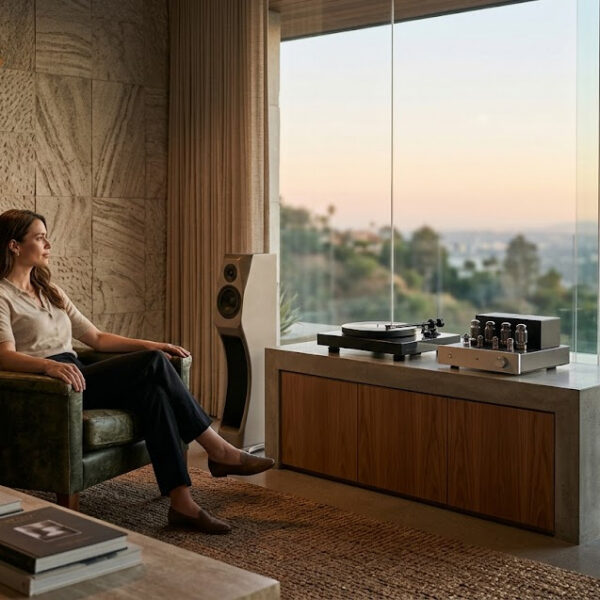
Buyers are asking different questions now. Instead of focusing only on size or status, they are paying attention to comfort, usability, and long-term livability. A home is no longer just an asset. It is an environment that needs to function every single day.
The Growing Importance of Everyday Livability
There has been a clear shift in what people expect from a home. Functionality is no longer a bonus. It is a requirement.
Many buyers are thinking in terms of daily experience:
- How does the space feel in the morning?
- Does it support both work and relaxation?
- Can it adapt as routines change over time?
Homes that answer these questions well tend to stand out, even if they are smaller or less traditionally “impressive.”
Livability has become a quiet but powerful factor in determining long-term value.
Natural Light as a Foundational Element
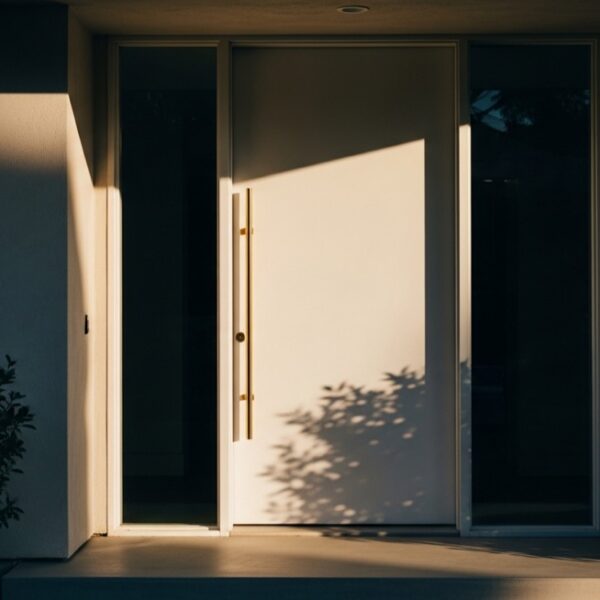
One of the most consistently valued features in Los Angeles homes is natural light. Homes that allow sunlight to move freely throughout the day feel more open, calm, and welcoming. It changes the perception of space in a way that no renovation can fully replicate.
Natural light also has practical benefits:
- It reduces the need for artificial lighting
- It enhances interior materials and colors
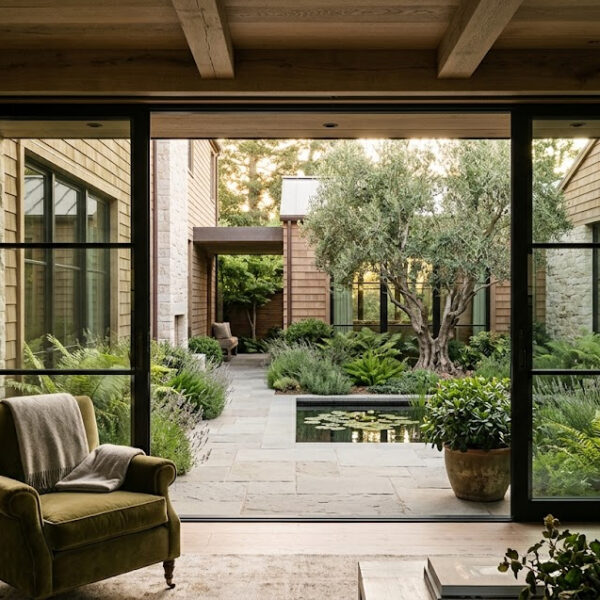
- It creates a connection between indoor and outdoor environments
In a city known for its climate, homes that fully embrace light tend to feel more aligned with their surroundings.
Why Layout Matters More Than Size
Square footage used to be one of the primary indicators of value. That is no longer always the case. A well-designed layout can make a smaller home feel significantly more functional than a larger one with poor organization.
Buyers are paying closer attention to:
- The relationship between kitchen, living, and dining spaces
- How easily people can move through the home
- Whether spaces feel open or restricted
Open layouts are still popular, but the focus has shifted toward intentional flow rather than just removing walls.
A home that feels easy to live in often holds more value than one that simply offers more space.
Indoor-Outdoor Living as an Expectation
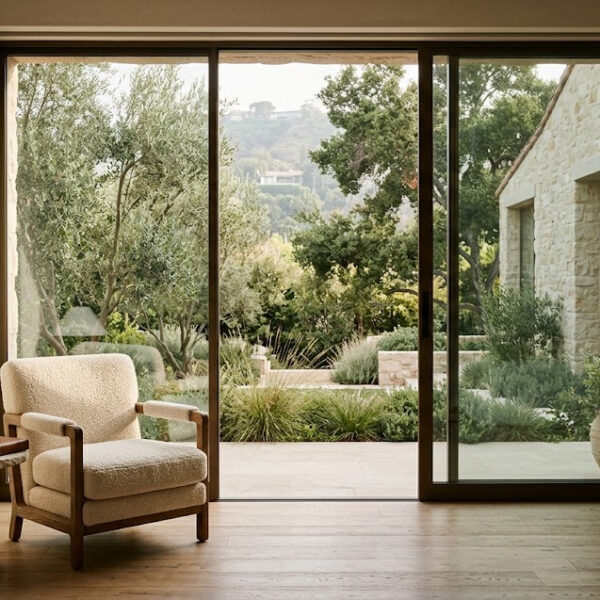
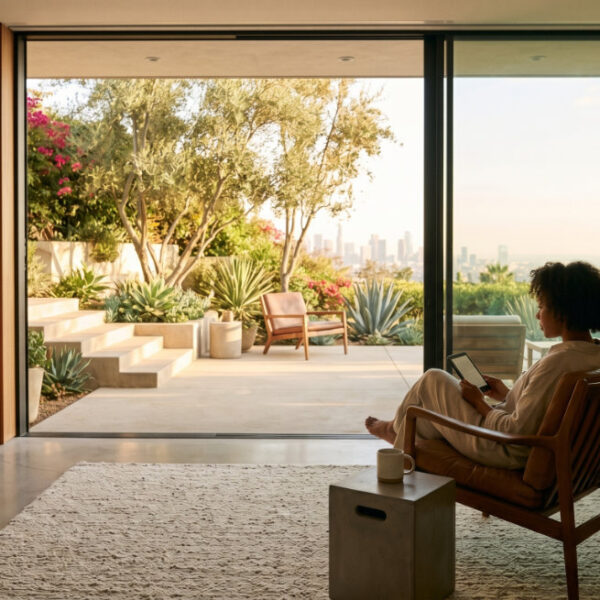
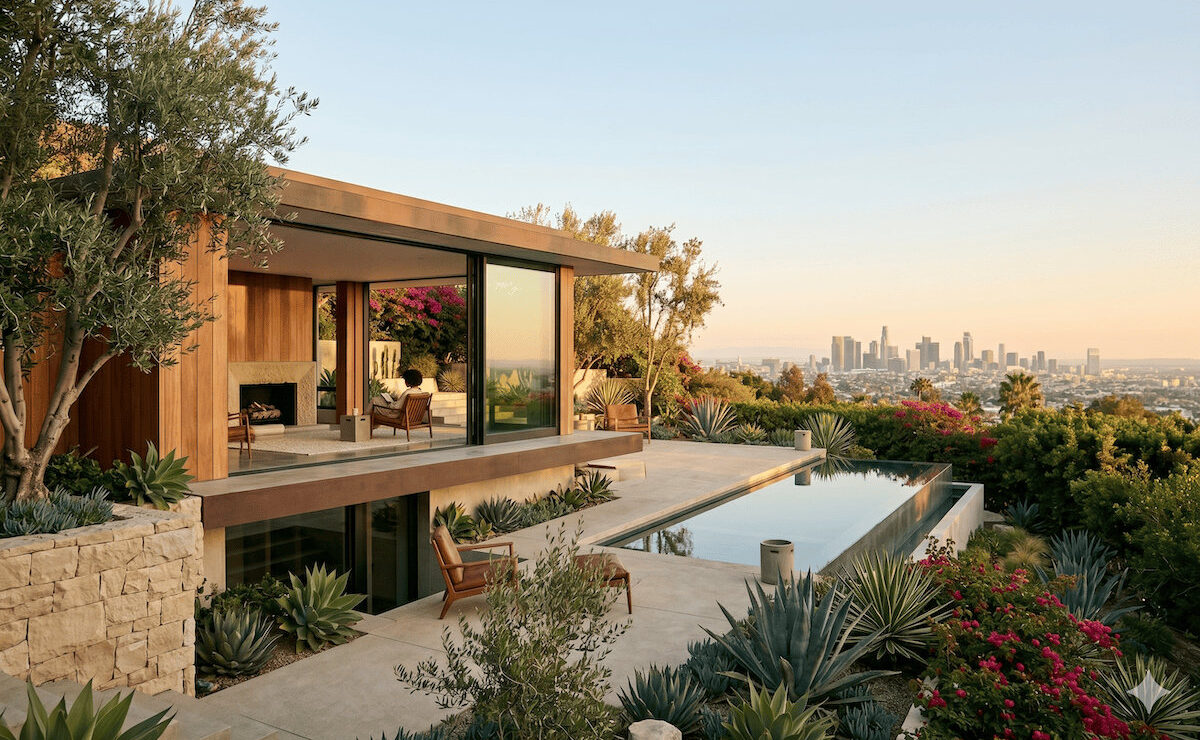
In Los Angeles, the boundary between indoors and outdoors continues to blur. Outdoor space is no longer seen as an extra feature. It is an extension of the home itself.
Even modest additions can make a meaningful difference:
- A small patio with seating
- A balcony with natural light
- A simple backyard space for daily use
These areas create flexibility. They allow people to step outside without leaving home, which has become increasingly important. The value here is not just visual. It is experiential.
The Rise of Timeless Design Choices
Another noticeable shift is the move away from bold, trend-driven renovations. Instead, buyers are drawn to homes that feel neutral, clean, and adaptable.
This includes:
- Soft, balanced color palettes
- Natural materials like wood and stone
- Minimal but thoughtful detailing
These choices create a sense of longevity. They allow homeowners to personalize the space without needing to undo previous design decisions. Timeless design does not demand attention, but it consistently adds value over time.
Neighborhood Influence Still Holds Strong
While interior features are evolving, the importance of location remains constant. However, the definition of a “good” neighborhood is becoming more nuanced.
Buyers are looking beyond reputation and focusing on:
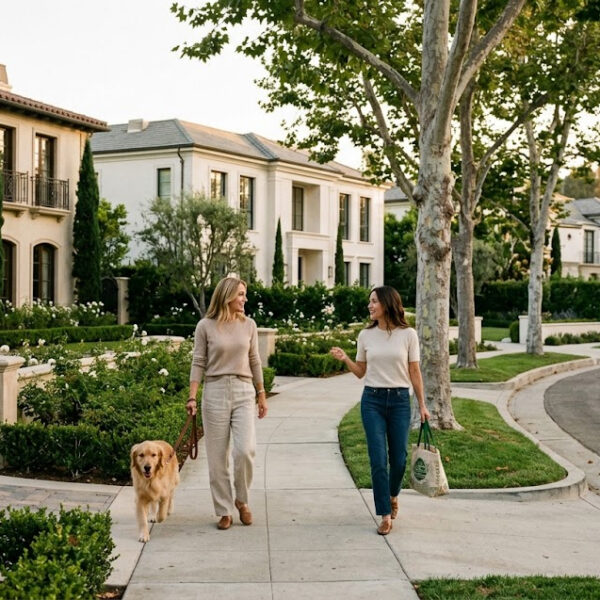
- Walkability and accessibility
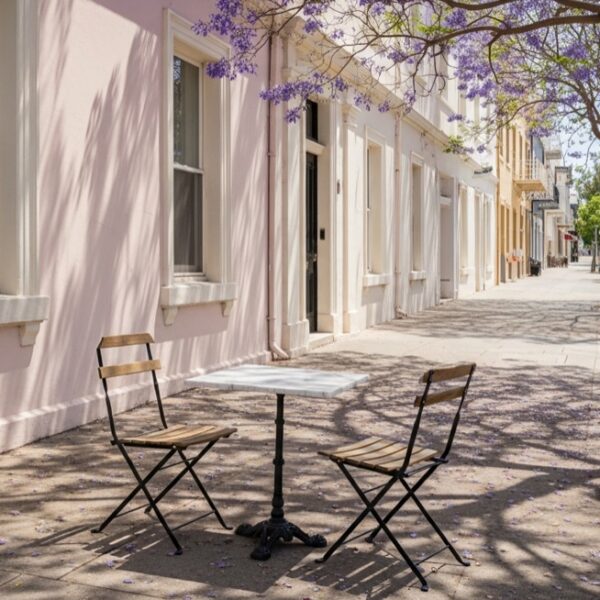
- The presence of local businesses and cafés
- The overall pace and atmosphere of the area
A home in a neighborhood that supports daily routines and offers a sense of ease often feels more valuable than one in a more traditional high-demand location.
Emotional Value and Personal Connection
One of the less discussed aspects of property value is emotional response. Some homes simply feel right. They create a sense of comfort and familiarity almost immediately.
This can come from:
- Natural light and openness
- A well-balanced layout
- Quiet surroundings
- Thoughtful design details
While difficult to measure, this emotional connection often plays a major role in decision-making. Homes that create this feeling tend to leave a lasting impression.
Long-Term Thinking in Today’s Market
Buyers are also becoming more forward-thinking.
Instead of asking, “Is this impressive now?” they are asking:
- Will this still feel right in five years?
- Can this space adapt to changing needs?
- Does it support a sustainable way of living?
This shift toward long-term thinking is influencing what people consider valuable. Homes that offer flexibility and stability are gaining more attention.
Conclusion: A More Human Definition of Value
Property value in Los Angeles is no longer defined by a single metric. It is the result of multiple elements working together. Light, layout, comfort, and environment all contribute to how a home is experienced on a daily basis. The shift is clear. People are not just buying space. They are choosing how they want to live within that space. And in a city as dynamic as Los Angeles, that choice has never mattered more.