

Introduction: More Than Just Background Noise
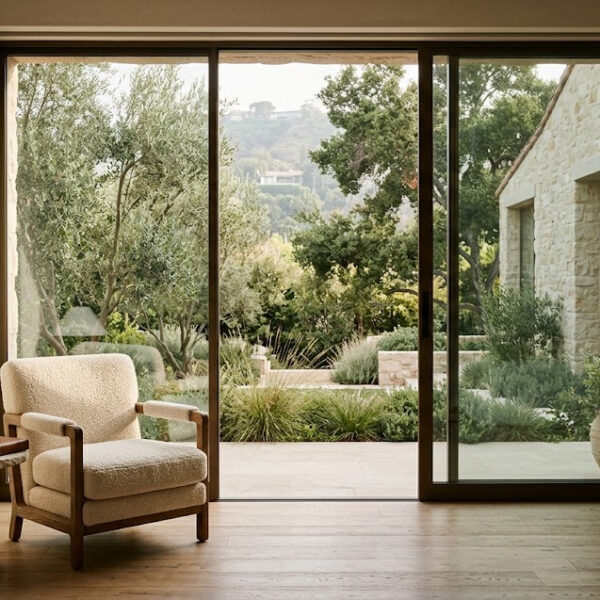
In Los Angeles, music is not always something people actively sit down to listen to. It moves differently here. It blends into routines, environments, and everyday experiences in a way that feels almost natural. Rather than being a separate activity, music often becomes part of the atmosphere. It fills spaces quietly, shaping mood and perception without demanding attention. Whether it is playing softly in the background of a home or accompanying a long drive across the city, it becomes part of how people experience time.
A City That Influences Sound
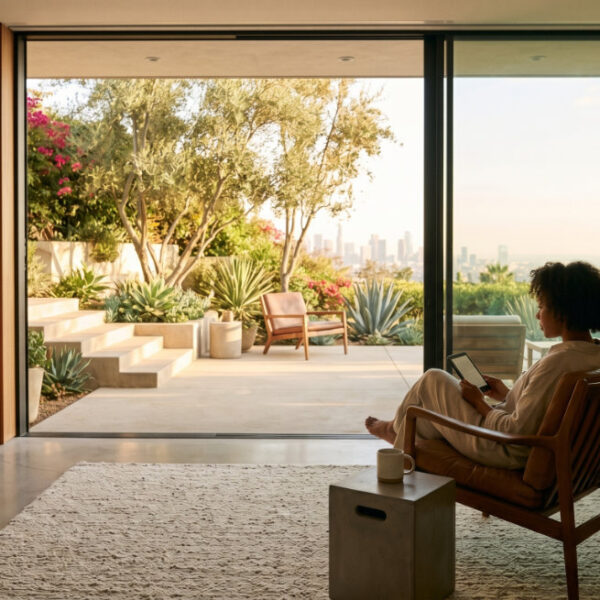
Los Angeles has a unique relationship with music because of its environment. Light, weather, and space all influence how sound is experienced. Morning light tends to bring softer, more minimal sounds. There is a natural pairing between sunlight and calm, steady rhythms. As the day moves forward, playlists shift. By evening, music often becomes slower, more reflective, and more immersive. This connection between environment and sound is subtle, but consistent. People may not always notice it, but they feel it.
Driving Culture and the Role of Music
One of the most defining aspects of life in Los Angeles is driving. The city is built around movement, and that movement is almost always accompanied by music. Long drives create uninterrupted time for listening. In those moments, music becomes more than background noise. It becomes a companion.
It sets the tone for the journey:
- Calm music can make traffic feel less overwhelming
- Upbeat tracks can shift energy during long distances
- Slower playlists can turn a routine drive into something reflective
The combination of motion, light, and sound creates a unique experience that is deeply tied to the identity of the city.
Music at Home: Subtle but Constant
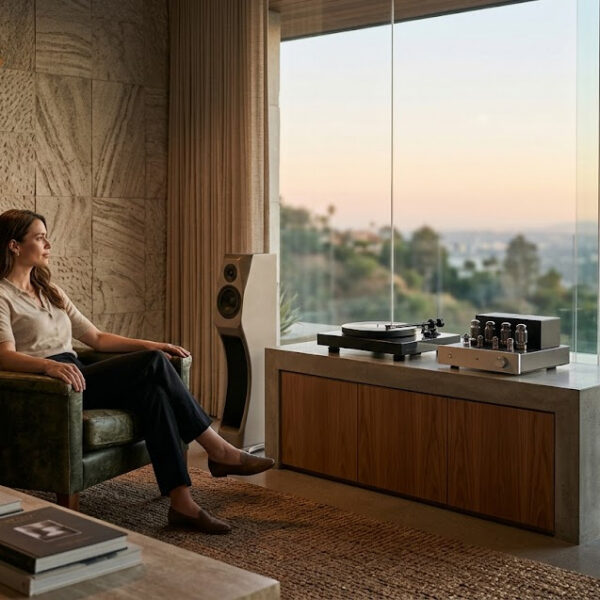
At home, music plays a different role. It is less about focus and more about atmosphere. Many people choose sounds that blend into their surroundings rather than stand out. This includes:
- Ambient music
- Instrumental tracks
- Soft indie playlists
These choices allow music to exist in the background without interrupting daily activities. Whether someone is working, relaxing, or simply moving through their space, music helps define the tone of the environment. It creates consistency and a sense of calm.
The Rise of Mood-Based Listening
Listening habits are shifting away from genre and toward mood. Instead of asking, “What kind of music do I want to hear?” people are asking, “How do I want to feel?” This leads to playlists designed around:
- Focus and concentration
- Relaxation and calm
- Energy and movement
- Reflection and quiet moments
This approach aligns with broader lifestyle changes where emotional balance and mental clarity are becoming more important. Music becomes a tool for shaping internal experience, not just external entertainment.
Technology and Access to Sound
Streaming platforms have changed how people interact with music. Access is no longer limited, and discovery is constant. This has led to:
- More personalized playlists
- Continuous background listening
- A wider range of genres blending together
People are no longer tied to a single style. They move between sounds depending on time of day, activity, and mood. This flexibility has made music a more integrated part of daily life.
Music as a Quiet Companion
One of the most interesting shifts is how music has become less dominant and more supportive. It does not always need to be the focus. In many cases, its value comes from how well it blends into a moment. It can:
- Fill silence without overwhelming it
- Add depth to ordinary routines
- Create a consistent emotional backdrop
This makes music feel less like a performance and more like a presence.
The Influence of Local Culture
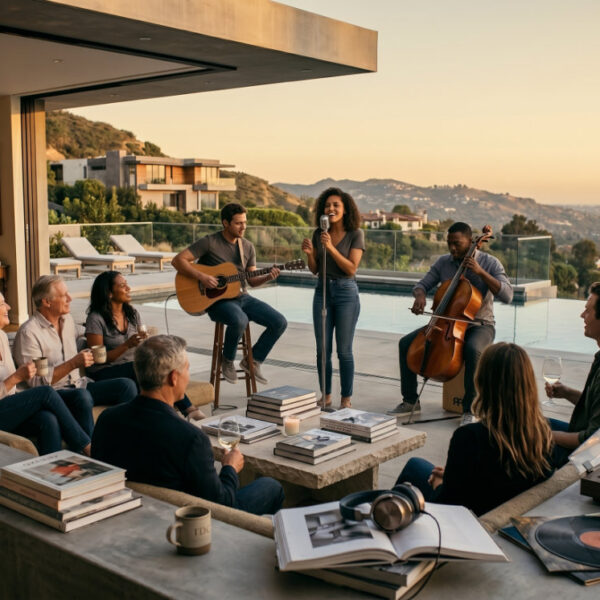
Los Angeles has always been closely connected to the music industry, but everyday listening is not always about mainstream trends. There is a strong presence of:
- Independent artists
- Experimental sounds
- Genre blending
This reflects the diversity of the city itself. People are open to exploring different styles, often mixing familiar sounds with new discoveries. This creates a listening culture that feels fluid and constantly evolving.
Sound and Memory in Everyday Life
Music also plays a role in how people remember moments. A particular song can become tied to:
- A daily routine
- A familiar drive
- A specific time of day
Over time, these associations build. Music becomes connected to memory in a way that is both personal and lasting. In a city that is always moving, these small anchors help create a sense of continuity.
Balancing Noise and Calm
Los Angeles can be loud. Traffic, activity, and constant motion create a level of background noise that is hard to avoid. Music offers a way to manage that. It allows people to:
- Create personal space within busy environments
- Shift focus away from distractions
- Control what they hear, even when they cannot control their surroundings
In this way, music becomes a form of balance.
Conclusion: A Sound That Lives Within the City
In Los Angeles, music is not just something people listen to. It is something they live with. It moves through homes, cars, and daily routines, shaping how moments feel without always being noticed. It adapts to light, space, and mood, becoming part of the environment rather than standing apart from it. And in doing so, it reflects the city itself: layered, fluid, and constantly evolving.