

Introduction: Looking Past the Scale of the City
When people picture Los Angeles, they often think of size, movement, and constant activity. It is a city known for its energy, its diversity, and its ability to keep moving without pause. But within that scale, there are quieter layers that often go unnoticed. Step away from the main roads, and you begin to see a different version of Los Angeles. One that moves at a slower pace, shaped not by crowds, but by routines, familiarity, and small daily interactions.
The Subtle Nature of Community in a Large City
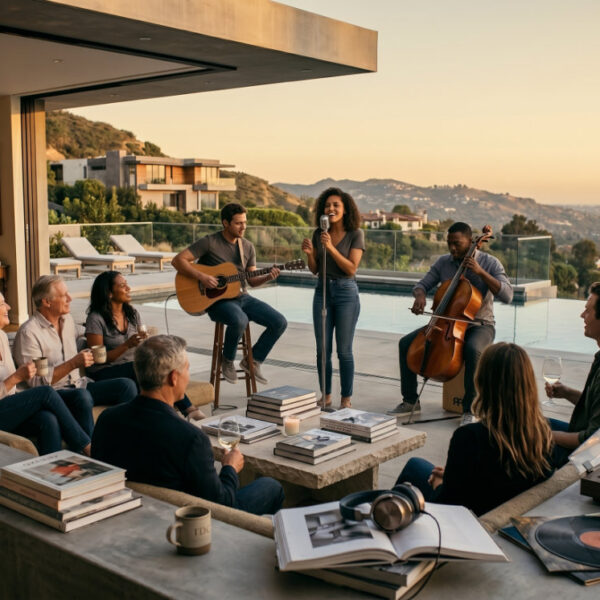
Community in Los Angeles does not always present itself in obvious ways. It is not always about events, gatherings, or organized spaces. Instead, it forms gradually. You begin to recognize the same barista each morning. You pass the same neighbors during evening walks. Over time, these small moments build a sense of familiarity that feels surprisingly personal. This kind of community is quiet, but it is consistent. It does not demand attention, yet it plays a significant role in how people experience their surroundings.
Daily Routines as the Foundation of Connection
In many neighborhoods, connection is built through repetition.
Simple routines such as:
- Morning coffee at a local spot
- Walking through the same streets each day
- Visiting nearby stores regularly
create patterns that bring people into contact with one another.
These interactions may be brief, but they add up over time. They create a sense of rhythm and belonging that feels natural rather than forced.
Walkability and Its Impact on Everyday Life
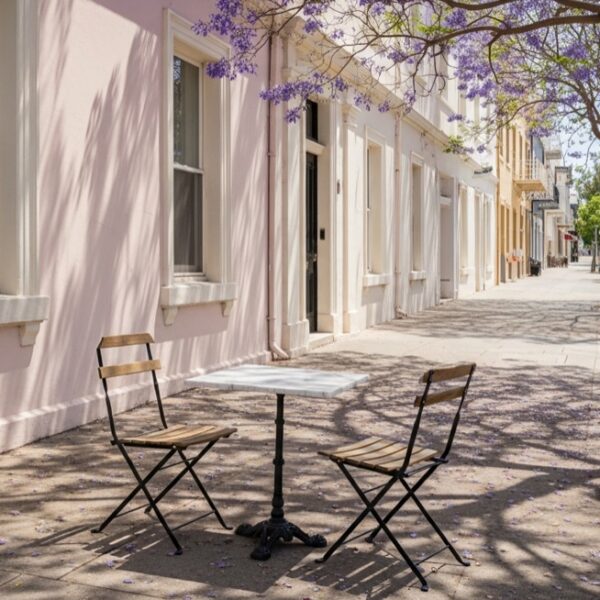
The design of a neighborhood has a direct impact on how people interact within it. Walkable areas tend to feel more connected. When people can move easily on foot, they are more likely to engage with their surroundings. Tree-lined streets, small intersections, and accessible local businesses all contribute to this experience. Even in a large city like Los Angeles, these features create environments where people feel more grounded and more aware of the spaces around them.
Local Businesses as Anchors of Community
Small businesses play an important role in shaping neighborhood identity. Cafés, corner stores, and independent shops often become more than just places to visit. They become part of daily routines. They offer familiarity, consistency, and a sense of place that larger, more impersonal spaces often lack. Over time, these locations help define how a neighborhood feels.
A Sense of Place Within a Vast City
Los Angeles is often described as expansive, but that does not mean it lacks intimacy. Each neighborhood develops its own character through:
- Architecture
- Street layout
- Local culture
- Daily activity patterns
These elements combine to create environments that feel distinct and recognizable.
Conclusion: Finding Connection in the Everyday
The true character of Los Angeles is not only found in its scale, but in its smaller, quieter moments. Community here is not always loud or visible. It exists in repetition, in familiarity, and in the subtle connections that form over time. And for many, those are the moments that matter most.