
The Power of Everyday Familiarity
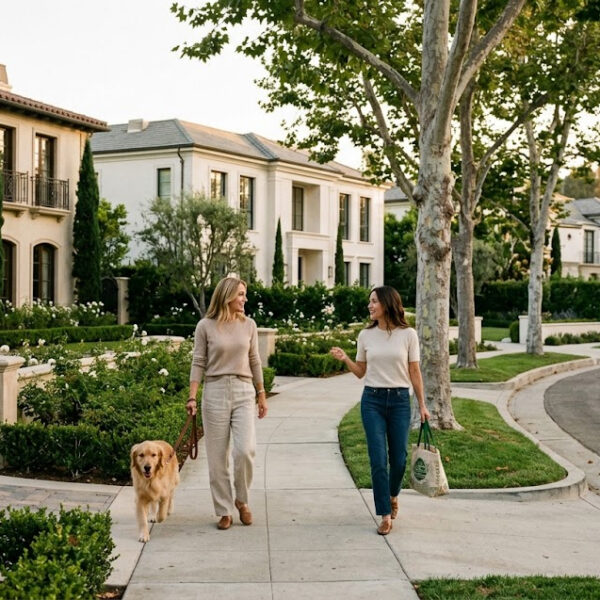
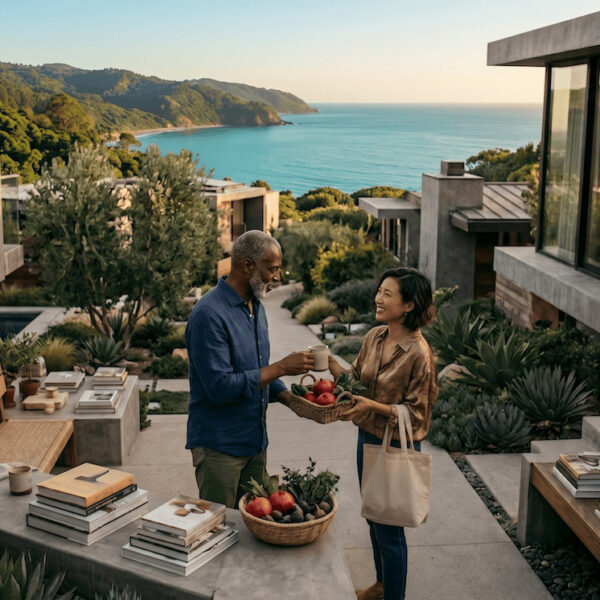
A strong sense of community rarely comes from grand gestures. Instead, it grows through small, repeated moments that slowly become part of daily life. Seeing the same faces during a morning walk, greeting a neighbor while checking the mail, or exchanging a few words with a local shop owner may seem insignificant, but these moments add up over time.
Familiarity creates comfort. Even without deep conversations, these small interactions make a place feel less anonymous and more human.
Local Spaces That Bring People Together
Neighborhoods often connect through shared spaces. Parks, libraries, cafes, and weekend markets act as natural gathering points where people can simply exist alongside one another. These places encourage interaction without pressure, allowing relationships to form organically.
A simple bench in a park or a community notice board can become a quiet hub of connection. Over time, these shared spaces help create a rhythm that residents come to rely on.
How Small Events Shape Community Culture
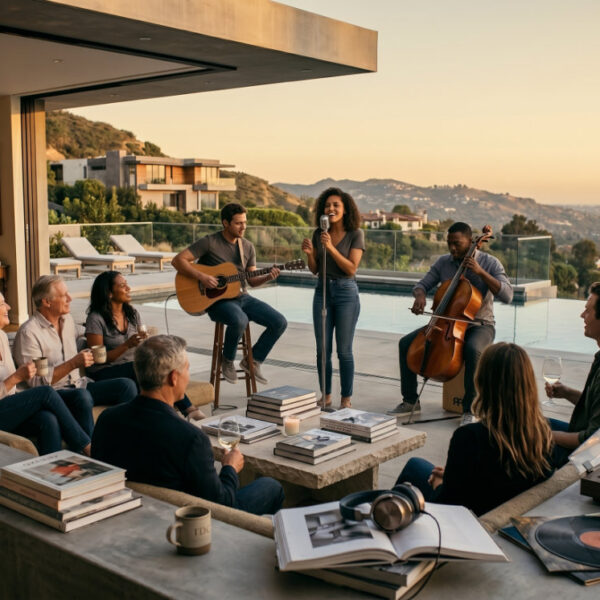
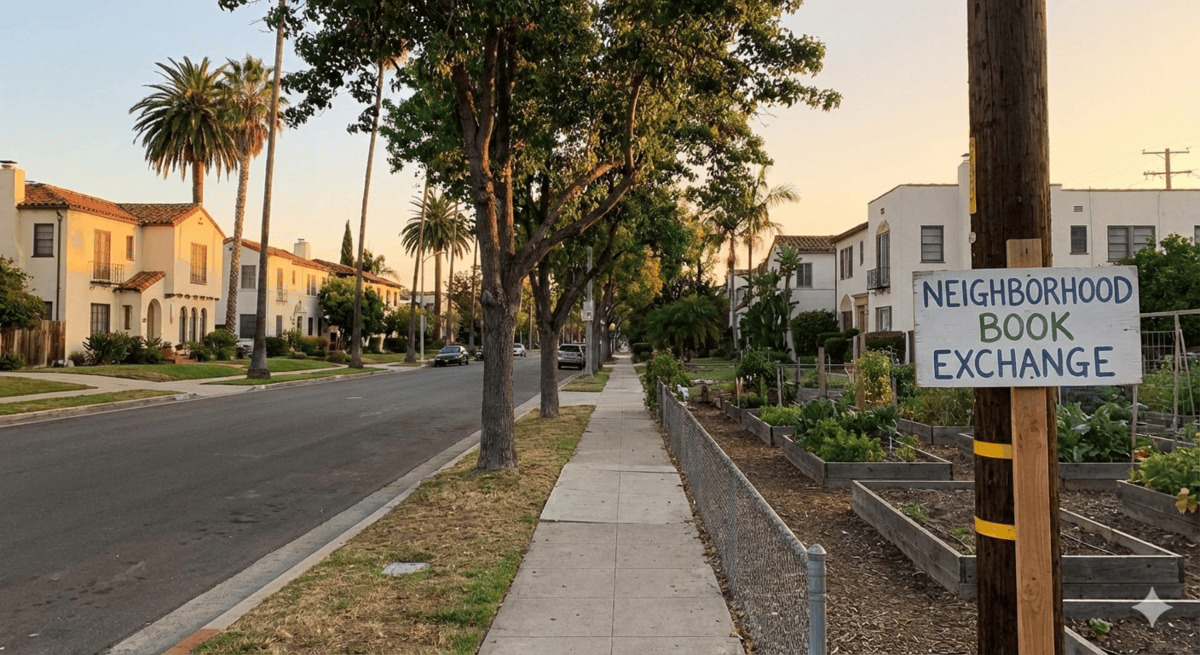
Not every event needs to be large or formal to have an impact. Book exchanges, school fundraisers, local art displays, and casual meetups all contribute to a neighborhood’s identity. These moments create opportunities for residents to participate and feel included.
Even attending once in a while reinforces a sense of presence. It reminds people that they are part of something larger than their individual routines.
Character Over Perfection
Neighborhoods with the strongest sense of belonging are often those with visible character. Family owned businesses, long standing landmarks, and small details like murals or hand painted signs tell a story of the people who live there.
Perfection is not what makes a place memorable. Authenticity does. When a neighborhood reflects the lives and values of its residents, it becomes easier to feel connected to it.
Building Belonging Over Time
Community is not something that can be rushed. It develops through consistency, care, and shared experiences. Showing up, supporting local spaces, and taking time to engage with others all play a role in building long-term connections.
In fast-paced urban environments, these moments of belonging provide balance. They turn neighborhoods into places that feel grounded, familiar, and genuinely welcoming.