
Streaming has made music constant. It plays in the background while we work, drive, cook, or scroll. Playlists are curated for every mood. Algorithms suggest what to hear next.
But no matter how advanced technology becomes, live music still creates something that recorded sound cannot replicate.
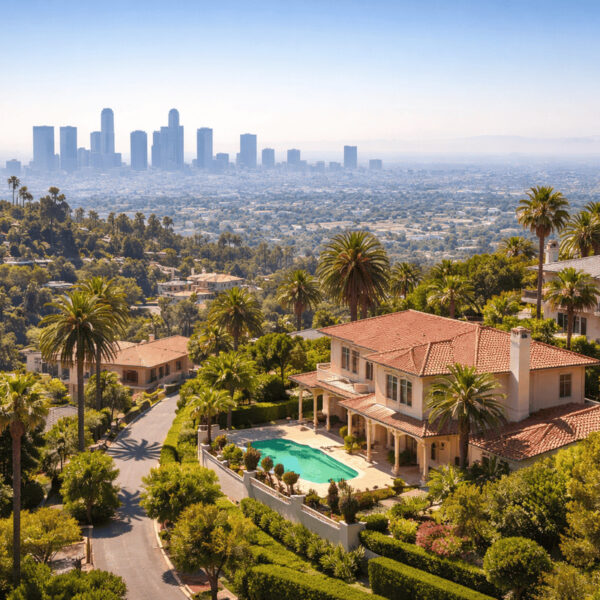
In a city like Los Angeles, music is not just entertainment. It is part of the cultural fabric. Small venues, outdoor stages, neighborhood festivals, and iconic performance spaces all contribute to a rhythm that runs through everyday life. And when you experience music live, that rhythm feels personal.
The Energy of the Room
There is a noticeable shift when you step into a venue before a performance begins.
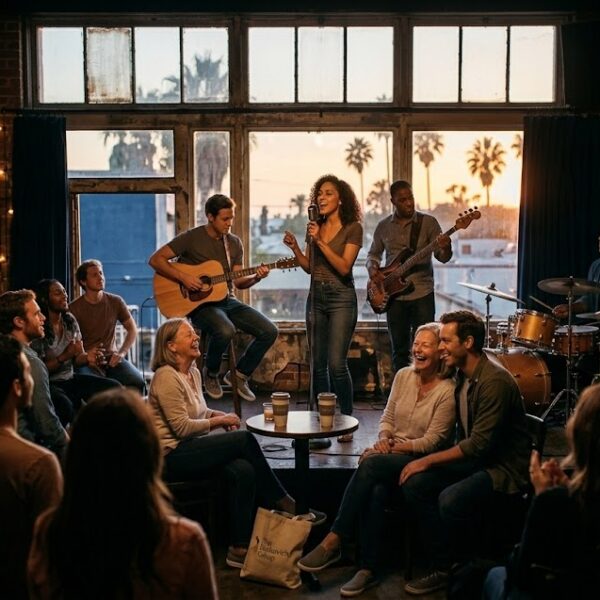
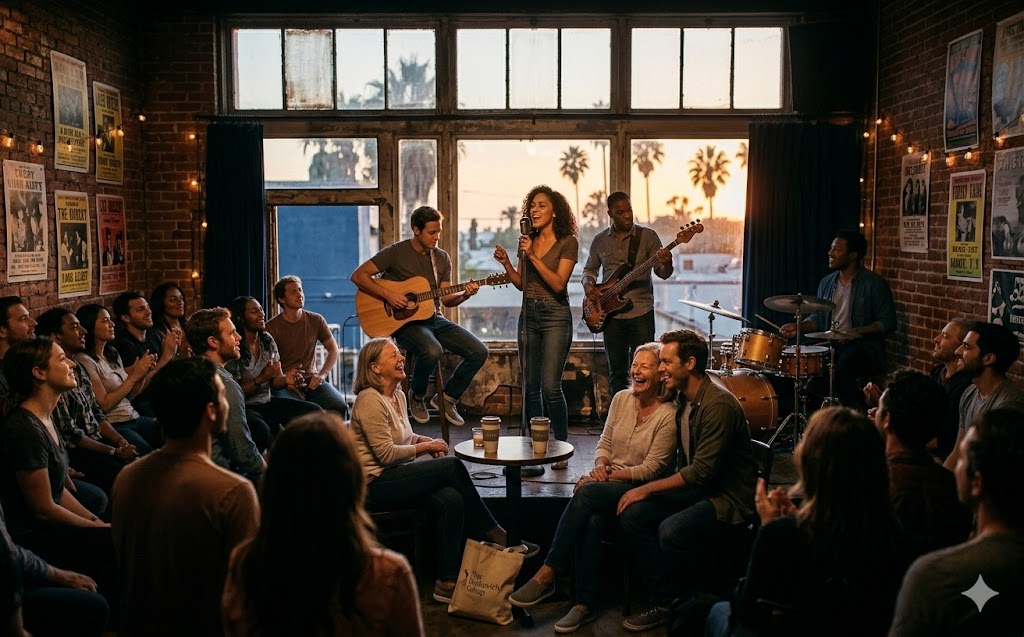
Conversations overlap. Lights dim slowly. Instruments are tested. There is anticipation in the air.
When the first note lands, the room changes. Sound moves physically through space. You feel bass in your chest. Applause becomes part of the performance. The artist adjusts in real time based on the crowd’s reaction. That shared energy cannot be downloaded. Every live show is slightly different. Tempo may shift. A song may extend with an improvised section. A singer might pause to speak about the meaning behind the lyrics. These subtle variations make each performance unique.
Music as a Shared Experience
Listening alone through headphones is intimate. Live music is collective.
You stand beside strangers who know the same lyrics. You notice someone closing their eyes during a favorite song. You hear laughter during a playful moment on stage. For a few hours, individual routines pause and merge into a shared experience. This temporary community is powerful. It reminds people that art connects across backgrounds and schedules. Even in a massive city, a concert can make the world feel smaller.
Supporting Local Artists
Beyond large arenas and touring acts, smaller shows play an important role in the music ecosystem.
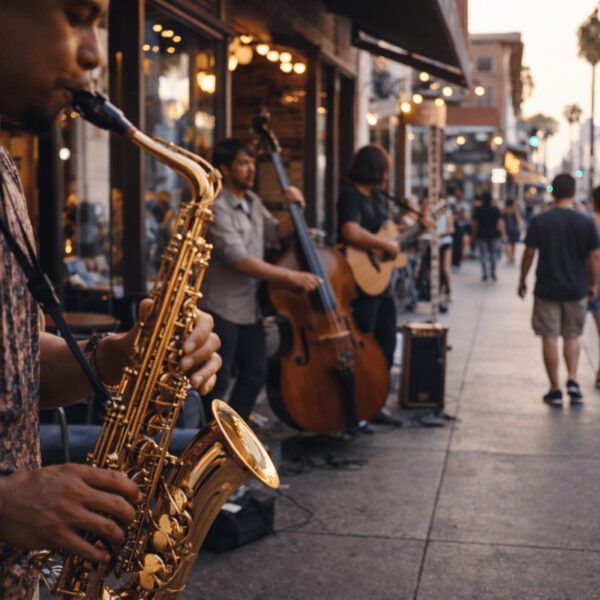
Independent musicians often perform in intimate venues where audiences are close enough to see every expression. These spaces create room for experimentation. New songs are tested. Styles evolve. Attending local performances supports creative risk. It allows artists to grow while audiences witness that growth firsthand. It also keeps neighborhood culture vibrant. Live music nights can transform a quiet street into an energetic gathering space, even if only for an evening.
The Memory Factor
Live music anchors memories. People often remember where they were when they first heard a song performed in person. The lighting. The crowd’s reaction. The unexpected encore.
Years later, hearing that same track can bring back the full sensory memory of that night. Recorded music captures sound. Live music captures moments. Outdoor Performances and City Sound In warmer months, outdoor concerts and pop-up performances add another dimension. Music blending with city noise. Distant traffic behind acoustic guitar. Sunset lighting changing the atmosphere mid-song. These layered sounds make the performance inseparable from its environment.
The city itself becomes part of the stage.
Why It Still Matters
In a world of instant access, convenience often wins. But convenience does not always equal impact.
Live music requires planning. Buying tickets. Driving across town. Standing for hours. Sometimes waiting in long lines. Yet people continue to show up. Because something happens in those rooms that cannot be recreated through speakers alone. There is vulnerability in performing live. There is connection in listening together. There is unpredictability that keeps the experience alive. Music is more than background noise. When experienced in person, it becomes an event.
And long after the final note fades, the feeling lingers.