
In a city as expansive as Los Angeles, it is easy to assume that anonymity is the default. Millions of people. Endless traffic. Constant movement. On the surface, it can feel impersonal.
But belonging does not usually come from big city moments. It comes from routine.
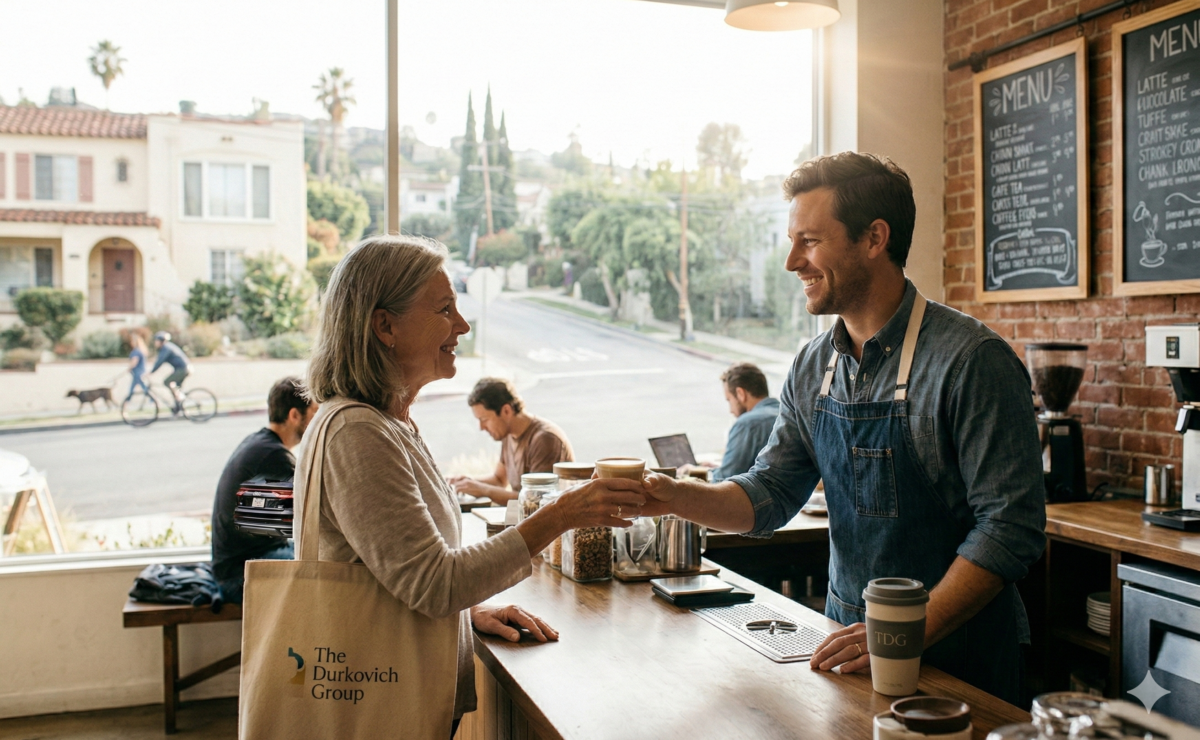
The same morning coffee stop before work.
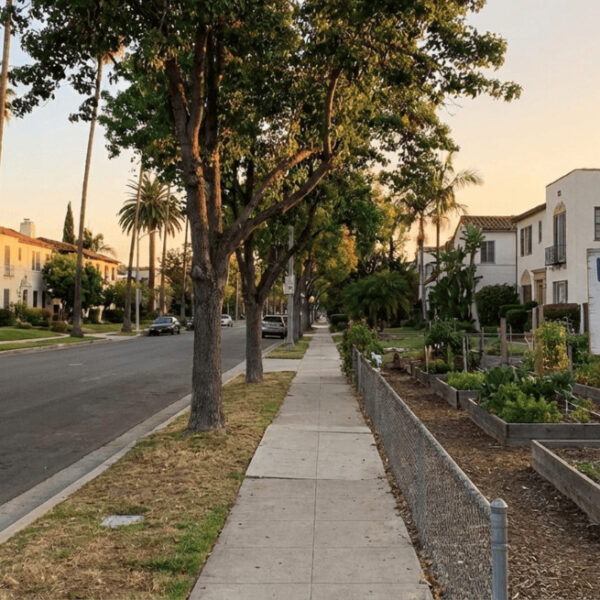
The same walking route after dinner.
The same weekend grocery run at nearly the same hour.
Over time, those repeated patterns quietly transform strangers into familiar faces.
The Coffee Shop Effect
There is something powerful about being recognized without introduction.
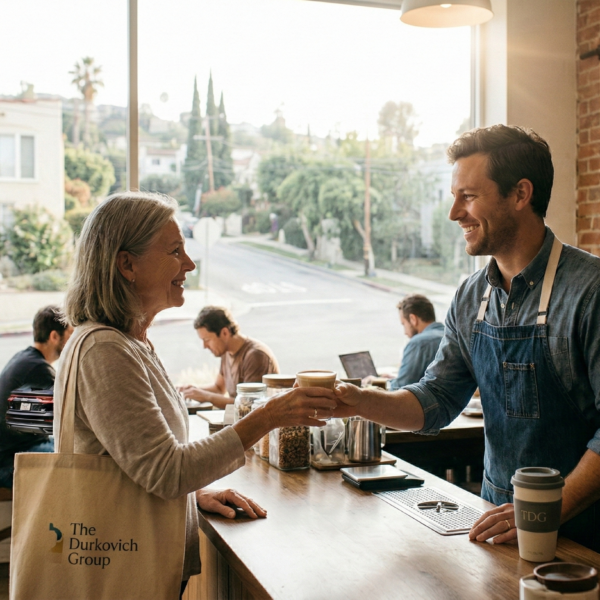
Maybe it starts small. The person behind the counter asks, “The usual?” You nod. A few weeks later, they ask how your week is going. Eventually, you learn their name. They learn yours.
It is not a deep friendship. It does not need to be. But it creates a subtle sense of being seen.
That small recognition can shift how a neighborhood feels. It turns a transaction into a relationship, even if it is a brief one.
Dog Walks, School Drop-Offs, and Shared Schedules
Routine overlaps create connection.
At the dog park, the same group tends to gather at similar times. Owners begin to recognize not just each other, but each other’s pets. Conversations start with the dogs and slowly expand into everyday life. Recommendations are exchanged. Advice is shared.
The same happens at school drop-offs. Parents who once stood silently beside one another begin to talk. Weather turns into weekend plans. Weekend plans turn into carpools and birthday invitations.
Belonging grows through repetition.
The Familiar Faces at the Market
Local markets and small stores often become anchors in a community. When you visit regularly, patterns emerge.
You notice who shops early and who prefers late evenings. You see older residents who move more slowly but greet everyone warmly. You see young families navigating crowded aisles with toddlers in tow.
Without realizing it, you begin to recognize your neighbors through shared habits.
There is comfort in that familiarity. It builds a quiet sense of stability in a city that otherwise moves fast.
Why Routine Matters More Than We Think
Many people search for community in large events or organized groups. Those spaces can be meaningful. But for many residents, belonging forms in smaller ways.
It forms when someone holds the door open and says, “See you tomorrow.”
It forms when a cashier notices you have not been around for a few weeks.
It forms when a jogger gives a small wave because your schedules consistently align.
These moments are not dramatic. They are consistent.
Consistency creates trust. Trust creates comfort. Comfort creates attachment.
The Shift From Anonymous to Known
There is a noticeable difference between living somewhere and feeling rooted there.
At first, a neighborhood can feel like a temporary stop. You are just passing through. Over time, routines carve out familiarity. Familiarity creates recognition. Recognition creates a sense of place.
When you start to say, “That’s my coffee shop,” or “That’s our park,” something changes internally. Ownership becomes emotional rather than financial.
You feel connected.
The Invisible Architecture of Community
We often think of community as something structured: associations, councils, organized events. Those are important. But there is also an invisible architecture built through everyday habits.
- Sidewalk conversations.
- Shared glances in traffic.
- Short exchanges at checkout counters.
These small interactions accumulate. They soften the edges of a large city.
In a place like Los Angeles, belonging does not usually arrive all at once. It builds gradually, through routine, through repetition, through recognition.
And most of the time, we do not even notice it happening.
Until one day, you walk into a place and realize you are no longer just another face.
You are a familiar one.