
Lifestyle is often mistaken for aesthetics. The right furniture. A well-organized closet. A curated social media feed.
But in reality, lifestyle is about rhythm. In a fast-moving city like Los Angeles, daily life can easily become reactive. Traffic dictates schedules. Notifications interrupt focus. Weeks pass without much reflection. Over time, that pace can make routines feel automatic rather than intentional.
Designing a lifestyle is less about adding more and more about adjusting what already exists.
The Morning Sets the Tone
The way a day begins often determines how it unfolds. Some people scroll through their phones before even getting out of bed. Others step outside for fresh air. Some prepare coffee slowly. Others rush out the door. There is no universal formula for the perfect morning. What matters is whether it feels aligned with your energy. Even small changes, such as five quiet minutes without screens or a short walk before work, can shift the entire tone of the day. Lifestyle adjustments do not need to be dramatic to be effective.
Space Influences Mood
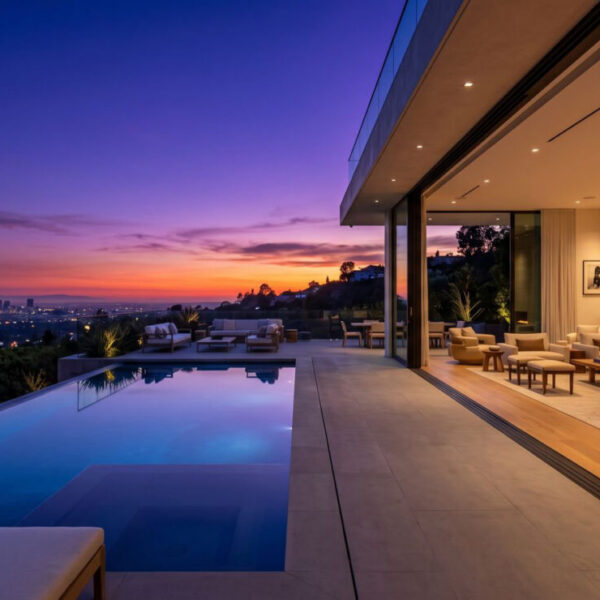
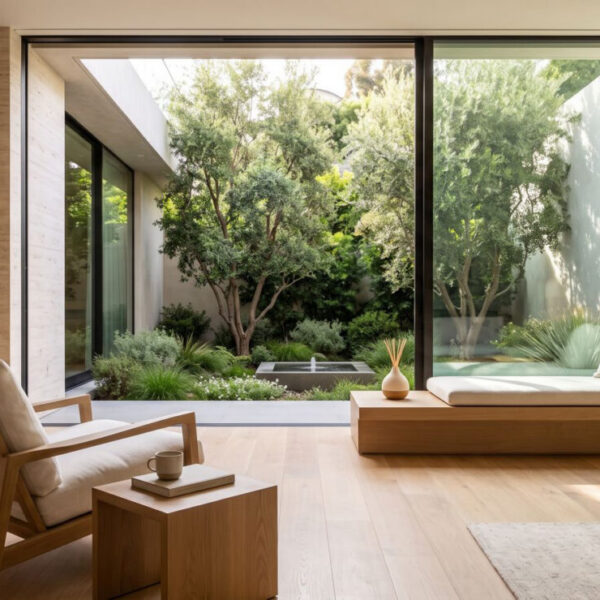
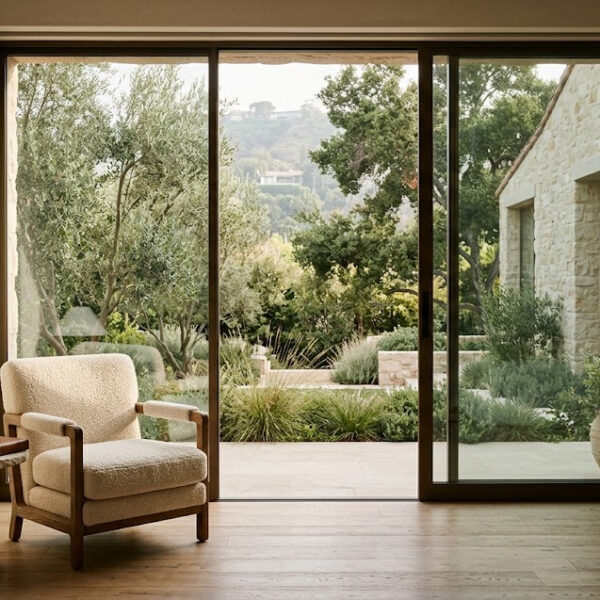
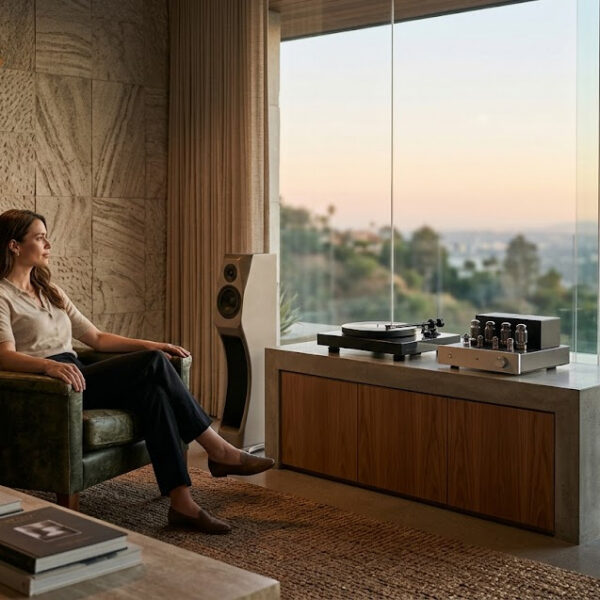
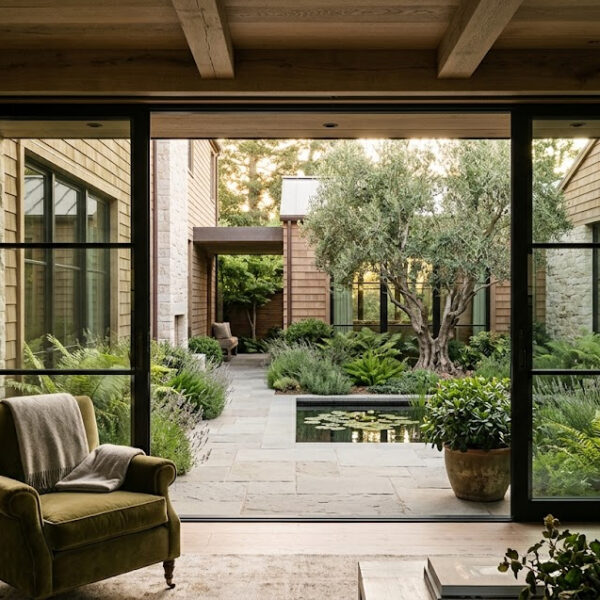
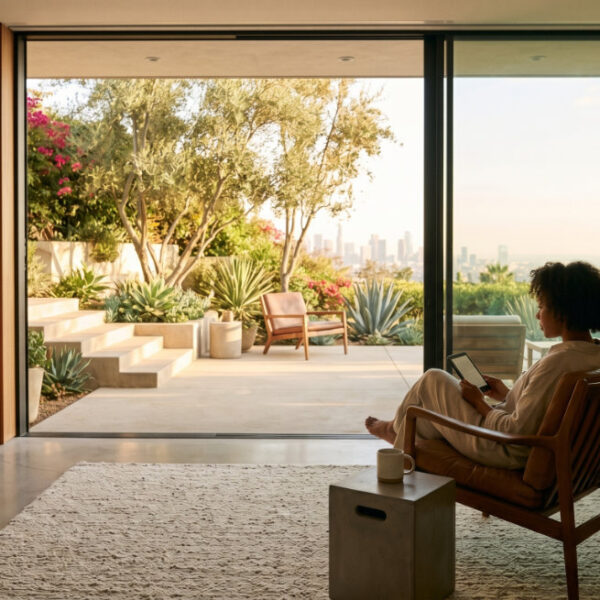
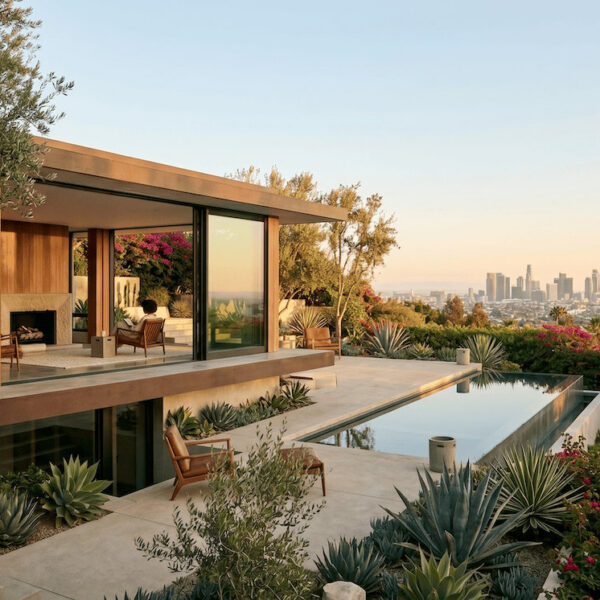
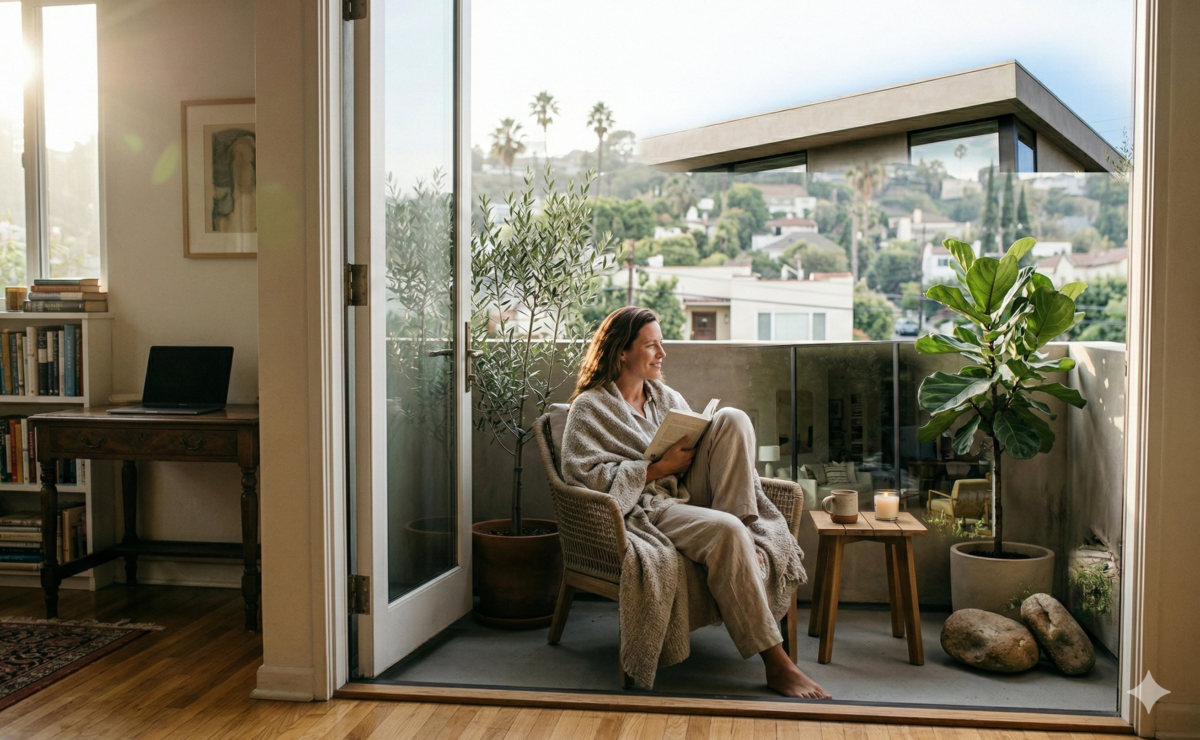
The spaces we live in quietly shape our mindset. Natural light can increase focus. Clutter can increase stress. A designated workspace can improve boundaries between work and rest. Even something as simple as rearranging furniture can change how a room feels. Many residents are paying closer attention to how their homes support daily life. Flexible spaces, comfortable corners for reading, and outdoor areas for decompression have become more intentional parts of lifestyle planning.
It is less about perfection and more about function.
Movement as a Daily Anchor
Exercise does not have to mean an intense gym routine. For some, it is a structured class. For others, it is a long evening walk. In urban environments, movement often becomes part of commuting, running errands, or exploring new neighborhoods. Regular movement provides structure. It also creates mental clarity. When schedules become overwhelming, physical activity often acts as a reset button. It separates one part of the day from another and brings awareness back to the present.
Social Energy and Boundaries
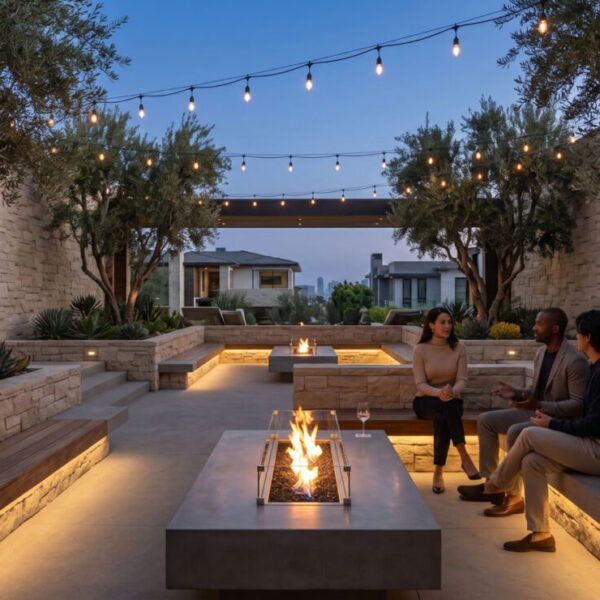
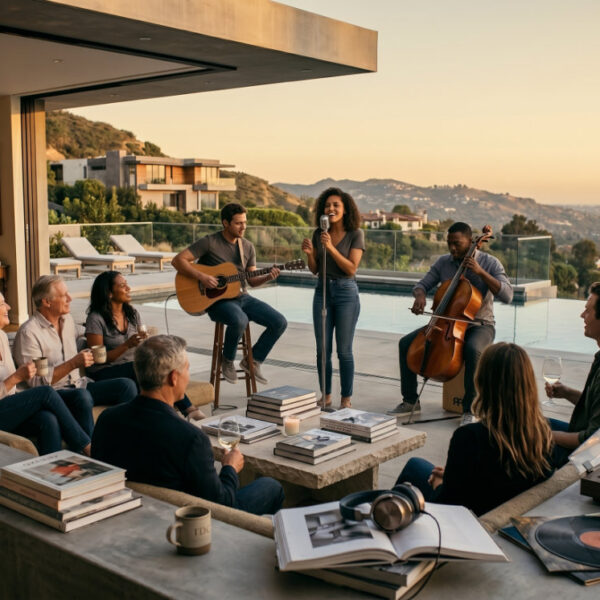
Lifestyle is also shaped by social choices. Some people recharge in large gatherings. Others need quiet dinners with close friends. In busy cities, invitations are constant. The challenge becomes choosing intentionally rather than automatically saying yes to everything. Healthy boundaries protect energy.
Making space for rest, limiting overcommitment, and prioritizing meaningful connections can prevent burnout. A balanced social life does not mean a full calendar. It means a thoughtful one.
Digital Consumption
Modern lifestyle includes constant digital input. News updates, short-form videos, group chats, work emails. The flow rarely stops. Being mindful of digital habits can significantly affect mental clarity. Setting screen limits, creating tech-free zones at home, or designating certain hours for focused work can restore attention span and reduce stress.
Intentional lifestyle design often begins with reducing noise rather than adding activities.
Small Rituals, Big Impact
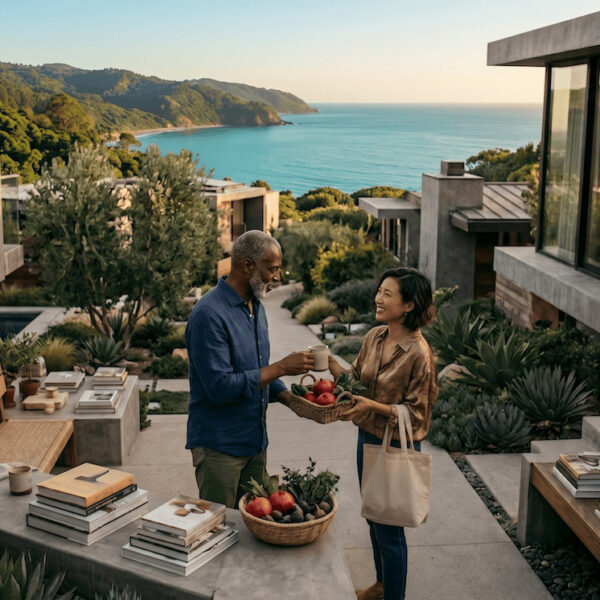
Rituals provide stability. A weekly farmers market visit. Sunday meal preparation. Friday movie nights at home. A consistent evening skincare routine. These small, repeated actions create comfort. Rituals signal continuity. They provide something predictable in an otherwise unpredictable world.
Over time, these habits define personal lifestyle more clearly than any trend.
Redefining Productivity
In achievement-oriented environments, productivity can dominate identity. However, a sustainable lifestyle includes rest. It includes hobbies without financial goals. It includes time spent learning something new purely for curiosity. Reading for pleasure. Trying a new recipe. Visiting a local exhibit. Exploring a neighborhood you have not walked through before. These experiences add dimension to daily life.
Living With Intention
Lifestyle is not about copying someone else’s routine. It is about evaluating what actually improves your well-being.
- Does your home environment support focus and rest?
- Do your weekly habits create stress or relief?
- Are your social interactions energizing or draining?
Small adjustments compound over time. In a city that rarely slows down, choosing intentional routines can create a sense of balance. It turns daily survival into something more deliberate. Ultimately, lifestyle is built through repetition.
- Through how you start your mornings.
- Through how you manage your energy.
- Through the quiet decisions that shape your days.
And those quiet decisions, made consistently, define how life feels.