
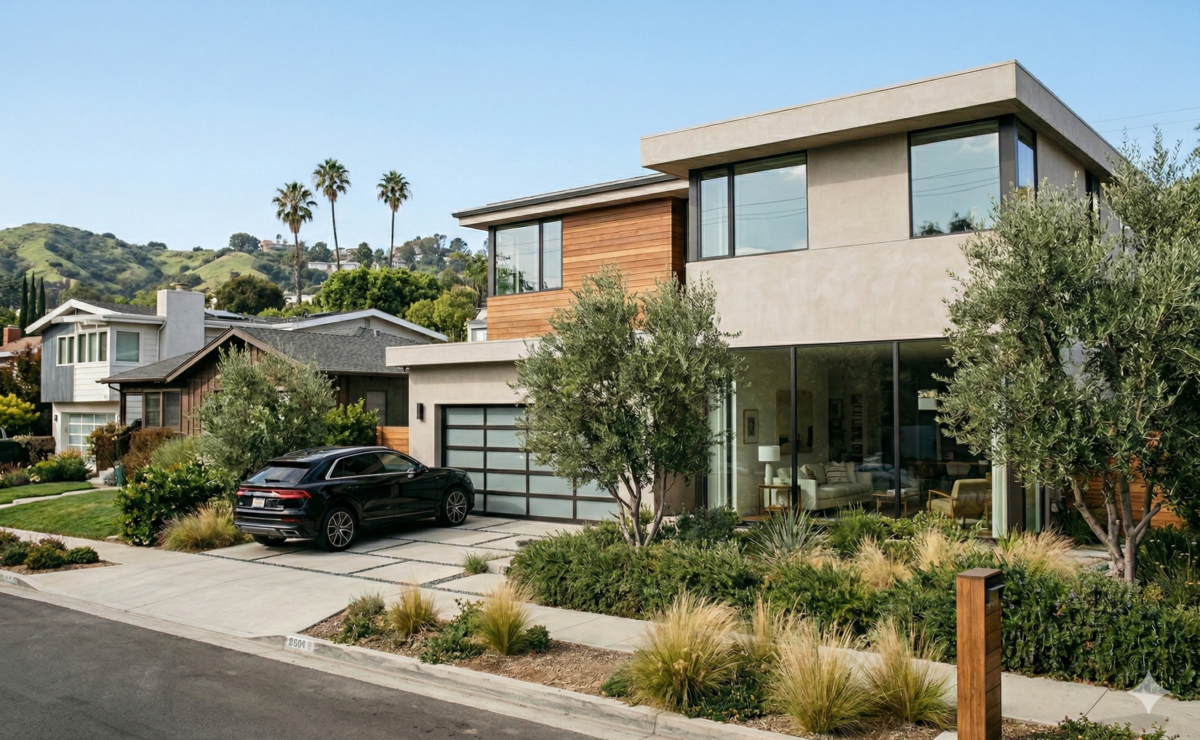
The real estate conversation often centers on numbers. Median prices. Inventory levels. Interest rates. Days on market. In a city as dynamic as Los Angeles, those figures shift constantly, and they matter. But behind every listing, every showing, and every accepted offer, there is a quieter question people rarely say out loud: Will this place actually feel like home?
Beyond Square Footage
It is easy to focus on measurable features. Three bedrooms. Two baths. Open floor plan. Renovated kitchen. Yet what often determines a buyer’s decision is something less tangible.
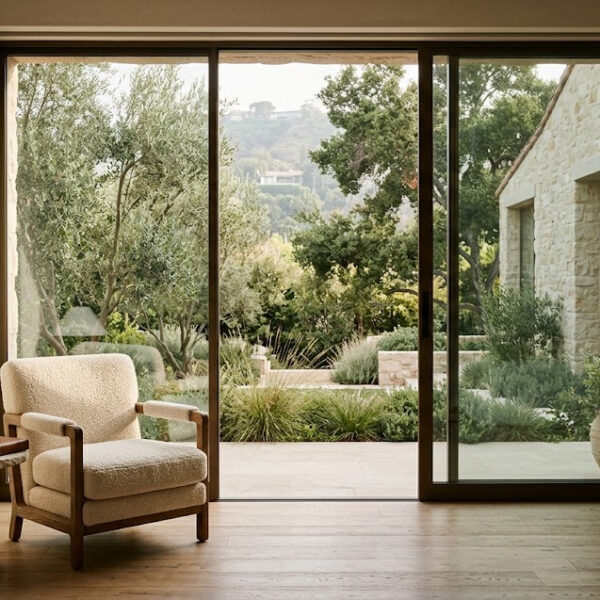
How does the natural light move through the space in the afternoon?
Does the street feel calm in the evening?
Can you imagine yourself living there on an ordinary Tuesday, not just during a staged open house?
A property can check every technical box and still feel temporary. Another might need cosmetic updates but immediately feel grounded and personal. That difference matters.
The Emotional Side of Real Estate
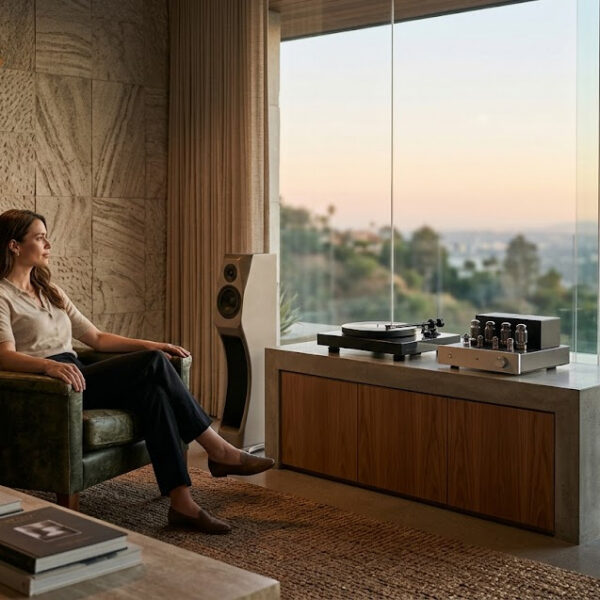
In competitive markets, buyers sometimes feel pressure to move quickly. Decisions are made fast. Offers are strategic. Emotions run high. But even in a fast-paced environment, people are still searching for stability. They want a place where routines can develop. Where furniture placement turns into habit. Where walls eventually hold framed memories. Real estate is an investment, but it is also the setting for daily life.
When buyers walk through a property and instinctively start picturing their future there, that is not accidental. It is emotional alignment.
Neighborhood Rhythm
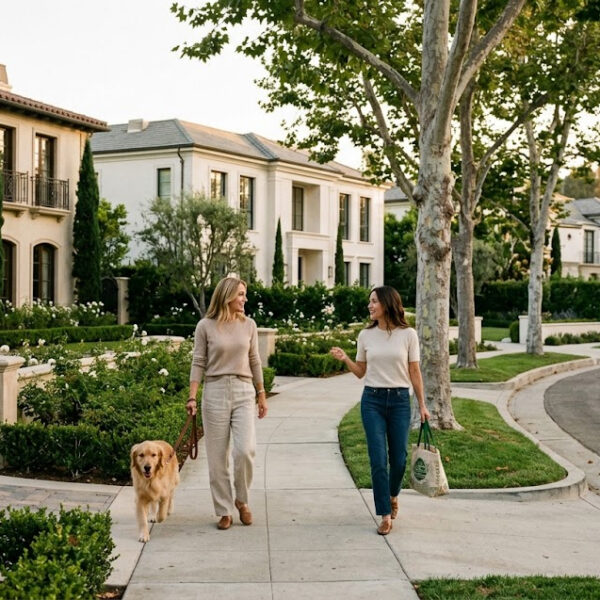
A house does not exist in isolation. It exists within a rhythm. Morning traffic patterns. Evening dog walkers. Weekend activity levels. Nearby schools, small shops, parks, or cafés. These surrounding details influence whether a space feels connected or disconnected. Some buyers prioritize quiet streets and slower movement. Others want walkability and energy. Neither preference is right or wrong. The key is alignment between lifestyle and location. That alignment often determines long-term satisfaction more than the finish of the countertops.
Long-Term Thinking in a Fast Market
In high-demand areas, short-term thinking can take over. The goal becomes securing a property before someone else does. However, thoughtful buyers step back and ask:
- Will this layout still work in five years?
- Does the storage match real daily needs?
- Is the commute sustainable?
Real estate decisions shape daily routines. The wrong fit can create friction. The right fit creates flow.
The Shift Toward Functional Design
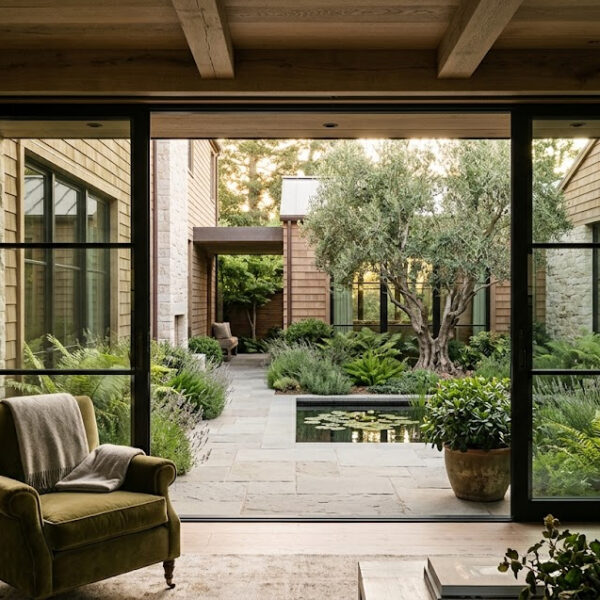
Another noticeable shift in recent years is the emphasis on functionality. Buyers are paying closer attention to home office spaces, flexible rooms, natural light, and storage. Outdoor areas have also gained importance. Even small patios or balconies can significantly affect how a home feels. It is no longer only about aesthetics. It is about how a space supports real life.
A beautifully staged room is appealing, but buyers increasingly ask practical questions about insulation, maintenance, energy efficiency, and long-term upkeep. Practical comfort now carries weight alongside visual appeal.
Stability in Uncertainty
Markets fluctuate. Interest rates rise and fall. Inventory expands and contracts. What remains consistent is the human need for stability.
Owning or investing in real estate often represents more than financial growth. It represents control over one’s environment. The ability to personalize a space. The opportunity to build routines that feel secure. That sense of control and permanence can be deeply reassuring in a constantly moving city.
More Than a Transaction
Real estate is sometimes framed as purely transactional. Offer accepted. Documents signed. Keys handed over. But for most people, the process carries emotional weight. It may represent a first major milestone. A growing family. A relocation. A downsizing after decades in one place. Each scenario carries its own mix of excitement and uncertainty. When we look beyond pricing charts and market reports, we see something more personal. We see people searching not just for property, but for belonging within walls that feel right.
In the end, a house becomes a home through lived experience.
- Through morning routines.
- Through familiar sounds.
- Through everyday moments that gradually transform a structure into something meaningful.
And that transformation is what gives real estate its lasting value.