

Practical Needs Come First
When people think about choosing a home, the decision is often shaped by practical considerations rather than emotions or trends. Layout, space, storage, and functionality play a major role in narrowing down options. A home needs to support daily routines in a way that feels efficient and manageable.
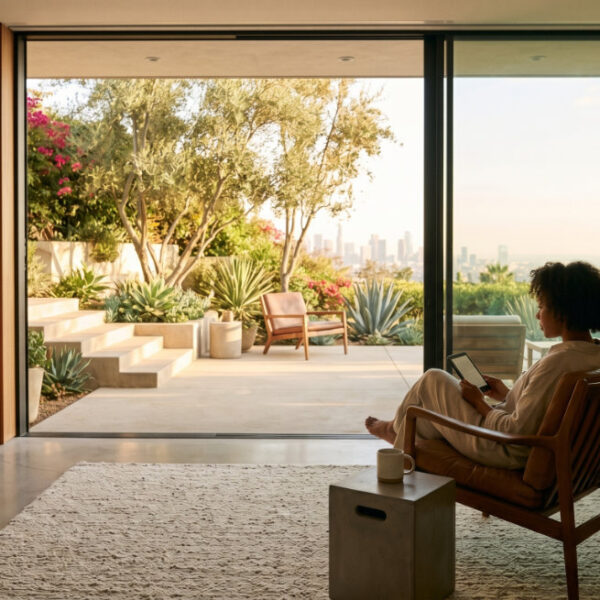
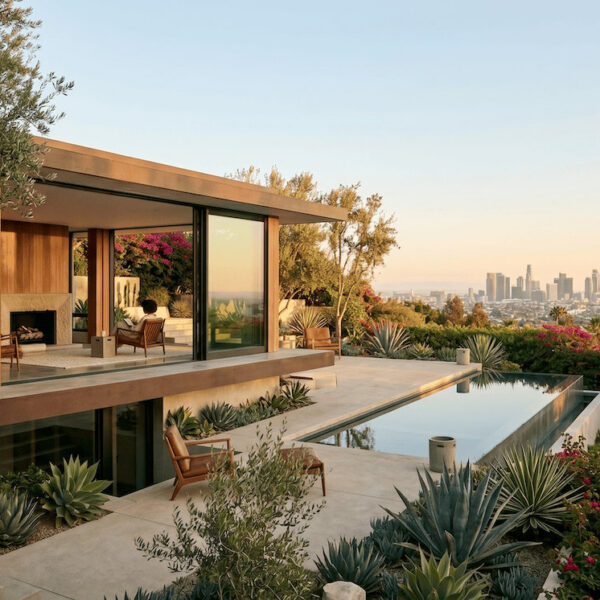
Features such as room flow, natural lighting, and usable outdoor areas often influence decisions more than design details. These elements impact how a space functions over time, not just how it looks on the first day.
Long Term Use Over Short Term Appeal
Homes that stand the test of time usually offer flexibility. Spaces that can adapt to changing needs tend to remain useful longer. Extra rooms, open areas, and thoughtful storage allow residents to adjust without major changes.
Rather than focusing on what is currently popular, many buyers prioritize layouts that will continue to make sense years down the line.
Location as a Practical Factor
Location is often evaluated based on accessibility and daily convenience. Proximity to schools, workplaces, and essential services can significantly affect how functional a home feels.
Travel time and surrounding infrastructure influence everyday efficiency. These factors often outweigh surface-level impressions when it comes to long-term satisfaction.
Understanding Value Beyond Price
Value is not always tied directly to cost. Build quality, maintenance needs, and the condition of core systems such as plumbing and electrical work all affect how a home performs over time.
Considering these aspects early helps avoid unexpected challenges later and contributes to a more informed decision-making process.
A Measured Approach to Choosing Property
Selecting a home is rarely about rushing. Taking time to evaluate options, understand priorities, and compare features leads to more confident choices.
A thoughtful approach allows people to focus on suitability and longevity rather than impulse or external pressure.